VI PassportFacts Global Citizenship
Searching…
No results found.

Popular searches

Browse by continent

← News
news

Court Rejects Ban on Visas for 75 Countries: Immigration Visa Applicants Get Another Chance

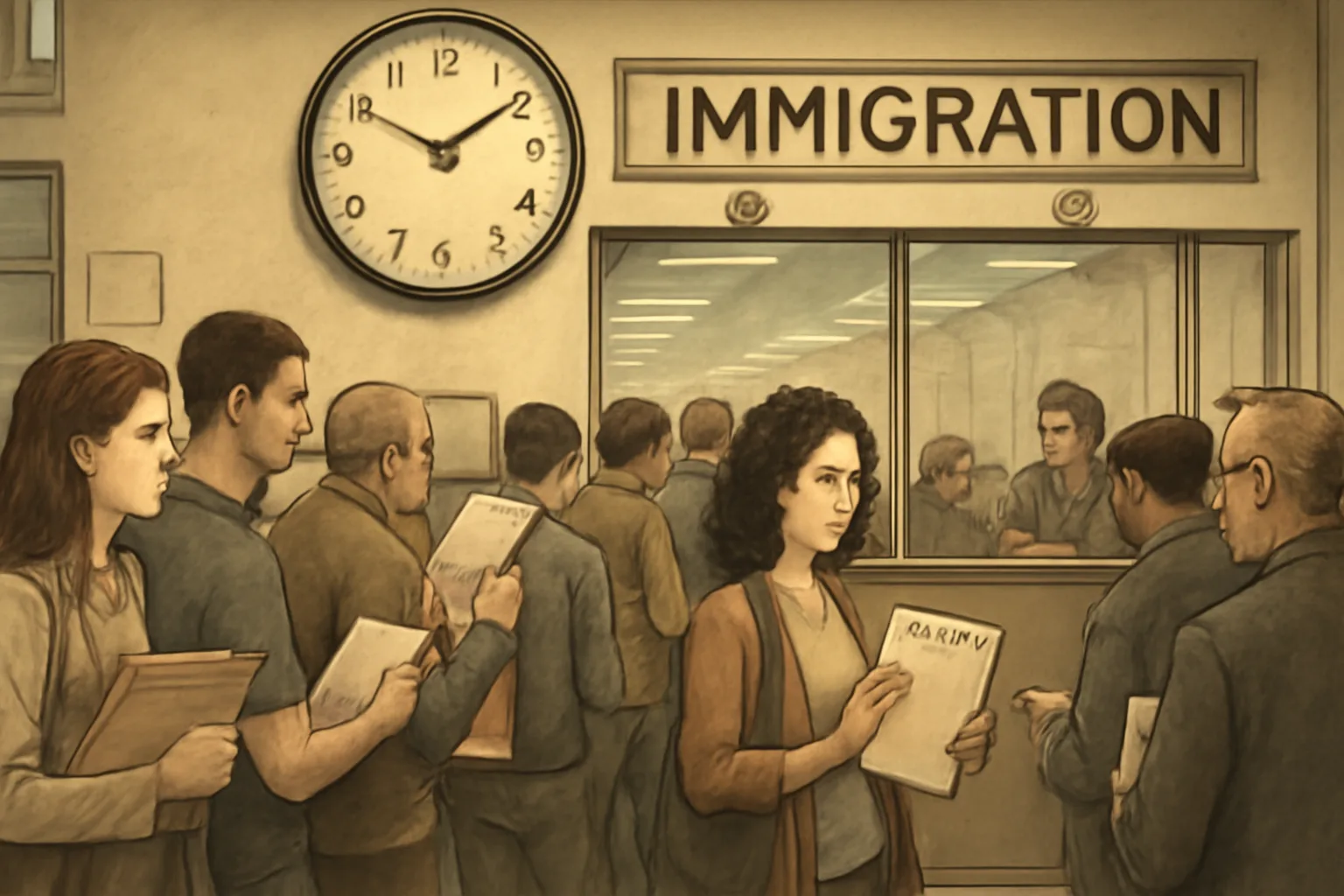
Illustration for article Court Rejects Ban on Visas for 75 Countries: Immigration Visa Applicants Get Another Chance

A federal judge has struck down the State Department's policy suspending immigration visa processing for citizens of 75 countries, ruling that the State Department exceeded its authority. The policy had halted immigration visa issuance based on concerns applicants could become a "public charge" (as of 8/28/2026). The ruling could reopen pathways for tens of thousands of people, including those from affected nations, whose cases have been pending.

Court Decision Changes the Landscape

On August 21, 2026, a federal judge at the U.S. District Court for the Southern District of New York struck down the State Department's policy suspending immigration visa processing for citizens of 75 countries, ruling that the State Department exceeded its authority. The policy had halted immigration visa issuance based on concerns that applicants could become a "public charge."

This is a significant turning point. The ban has affected tens of thousands of people applying for immigration visas from the listed countries. Applicants for EB-3 visas (skilled workers), EB-2 visas (professionals), and other categories have had their cases suspended due to concerns about "public charge"—the likelihood of becoming dependent on U.S. government assistance.

"Public Charge" Policy Still in Effect

However, it's important to note: This decision comes amid broader changes affecting legal immigration and visa processing. The "public charge" policy still exists in a different form. The government has issued a new public charge rule that gives government officials significant discretion when deciding whether an applicant can prove they will not fall below the poverty line.

This means that although the court has struck down the specific ban targeting 75 countries, USCIS can still deny applications based on the new public charge criteria. Immigration visa applicants need to prepare strong financial documentation, proving stable income and no reliance on government assistance.

Pitfalls to Avoid

This decision is not a complete victory. The government may appeal. Furthermore, even if the 75-country ban is invalidated, your application could still be denied for other reasons:

  • Unclear documentation of funds
  • Unstable employment history
  • Use of Medicaid, food stamps, or other government assistance programs
  • Incomplete medical records

As of August 5, 2026, USCIS updated its policy on Requests for Evidence (RFEs) and Notices of Intent to Deny (NOIDs). Under the revised guidance, USCIS officers have greater discretion to deny immigration benefit applications without first issuing an RFE or NOID if required initial evidence is missing or if the application fails to demonstrate eligibility at the time of submission. This means you won't have a chance to correct deficiencies if your initial application is incomplete.

Next Steps

If your application has been suspended due to the 75-country ban, contact an immigration attorney to:

  • Verify whether your case will be processed again
  • Prepare strong public charge documentation
  • Ensure all required documents have been submitted before USCIS has an opportunity to deny your application


Sources: Federal Immigration Law and Policy Changes · This Week in Immigration: August 28, 2026 · Updates · August 2026 Siskind's Immigration Bulletin - · Visa Bulletin For August 2026 · U.S. Immigration Updates: What You Need to Know - Office for ... · Regulatory Agenda: Key Immigration Reforms to Watch · U.S. Immigration Updates · August 2026 Immigration News - Brown Immigration Law · CSG Law Alert: The "Gold Card" Visa Program: A New Golden Path .... Figures and dates should be checked with the relevant authorities before you rely on them.

Questions & answers

Has the 75-country ban been completely lifted?

The court struck down the ban, but the administration can appeal. Even if the ban is lifted, the application could still be denied for public charge or other reasons.

Are Vietnamese EB-3 visa applicants affected?

Yes. If your application was suspended due to this ban, the court decision could reopen the processing path, but you need to prepare strong financial evidence.

How does the new public charge policy impact this?

The new policy gives USCIS greater discretion in assessing whether you could become a public charge. You must prove stable income and no use of benefits.

My application is suspended, what should I do?

Contact an immigration attorney to check your application status, prepare public charge evidence, and ensure all required documents are submitted.

Does the court striking down the ban mean I'm guaranteed a visa?

No. This decision only removes one denial criterion. USCIS can still deny your application for many other reasons.

Need advice on your specific case?

A Viking Global Group adviser will review your case free of charge.

Related articles

🇦🇲
Armenia launches relocation investment program: permanent residency after 5 years, no residency required
🇬🇧
UK tightens Graduate route from 3/8: children born in UK now eligible as dependents
🤰
US cracks down on birth tourism: travel visas no longer a way to have children and claim citizenship
🇬🇧
UK tightens settlement: from 5 years to 10 years, immigrants rush to secure residency