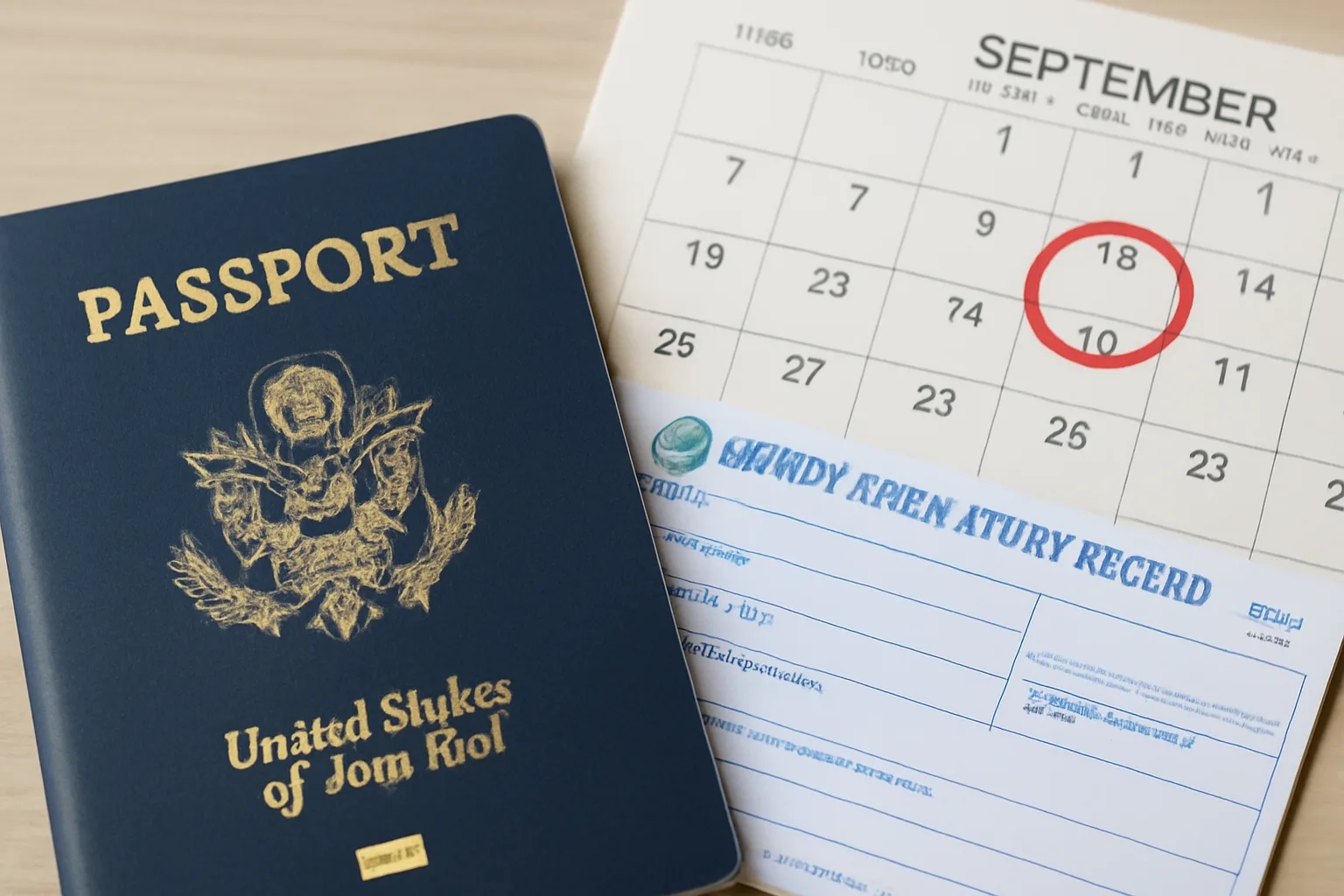
What is the D/S (Duration of Status) provision?
Previously, F-1 and J-1 student visa holders were granted "Duration of Status," which allowed them to remain in the United States as long as they were actively enrolled in their academic program or exchange program, without worrying about a specific expiration date on their documentation. This was a major benefit because it provided flexibility: if your program extended beyond the original timeline, you could still stay; if you wanted to apply for OPT after graduation, you had 60 days (F-1) or 30 days (J-1) to arrange your next steps.
Changes Effective September 15, 2026
Starting September 15, 2026, F-1 and J-1 student visa holders will no longer receive D/S status. Instead, they will be issued a specific expiration date on their I-94 arrival/departure record. This expiration date will be calculated based on the length of the academic program (maximum 4 years). For example, if your program is 2 years long, your I-94 will expire approximately 2 years after your initial entry into the United States.
However, the most critical point is this: If you leave the United States and return after September 15, 2026, you will receive a new I-94 with a fixed expiration date — this is the defining change.
Who Is Affected?
F-1 students who were admitted with D/S status before September 15, 2026 will continue to enjoy D/S benefits (60-day grace period) until they depart the United States or graduate. However, once you travel abroad and return, the new rules apply immediately.
If you or your dependents depart the United States and return on or after September 15, 2026, your F-1 grace period will be reduced from 60 days to 30 days.
Impact on OPT and Post-Graduation Decisions
This is the most serious consequence. If you travel abroad before applying for OPT, you will lose eligibility for the current 6-month transition period and will be required to file both an I-765 (OPT authorization) and an I-539 (extension of stay) simultaneously.
This means: you cannot simply apply for OPT as before. Instead, you must file an additional extension of stay request. The processing time will be longer, the procedures more complex, and the risk of denial significantly higher.
How to Prepare
Students and exchange program participants should carefully reconsider international travel plans in the coming period and should consult with an immigration attorney before leaving the United States if you plan to return after September 15, 2026.
If you are a final-year student planning to apply for OPT, ask yourself this: Is international travel truly necessary before graduation? If possible, complete your OPT first, then travel.
If you are already in the United States with D/S status before September 15 and have no plans to travel abroad, you need not worry — your current benefits remain intact until you voluntarily depart the country.