Social Media Screening Expands Starting October
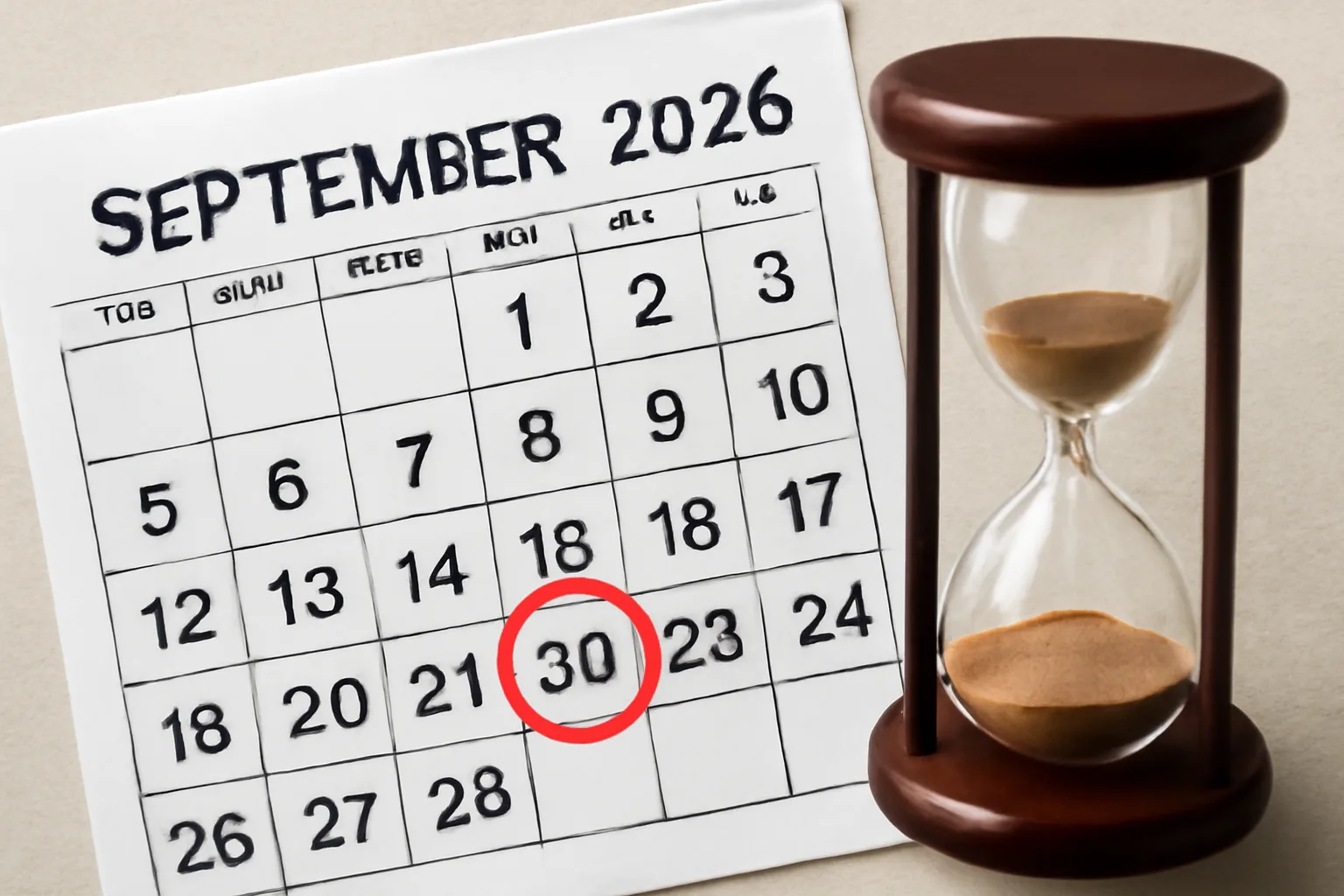
The new federal fiscal year begins October 1 with reopened green card categories, stricter Medicaid rules for some immigrants, and expanded social media screening for visa applicants. This change applies to all visa types, from B-1/B-2 (travel) to F-1 (student) and immigrant visas.
The U.S. State Department has announced that these changes will affect whether some immigrants can process long-standing applications, maintain health insurance, or face additional scrutiny.
Who Is Affected?
Visa applicants from India, some non-citizens receiving Medicaid or CHIP, foreign journalists, and certain professionals from Canada and Mexico are among those affected.
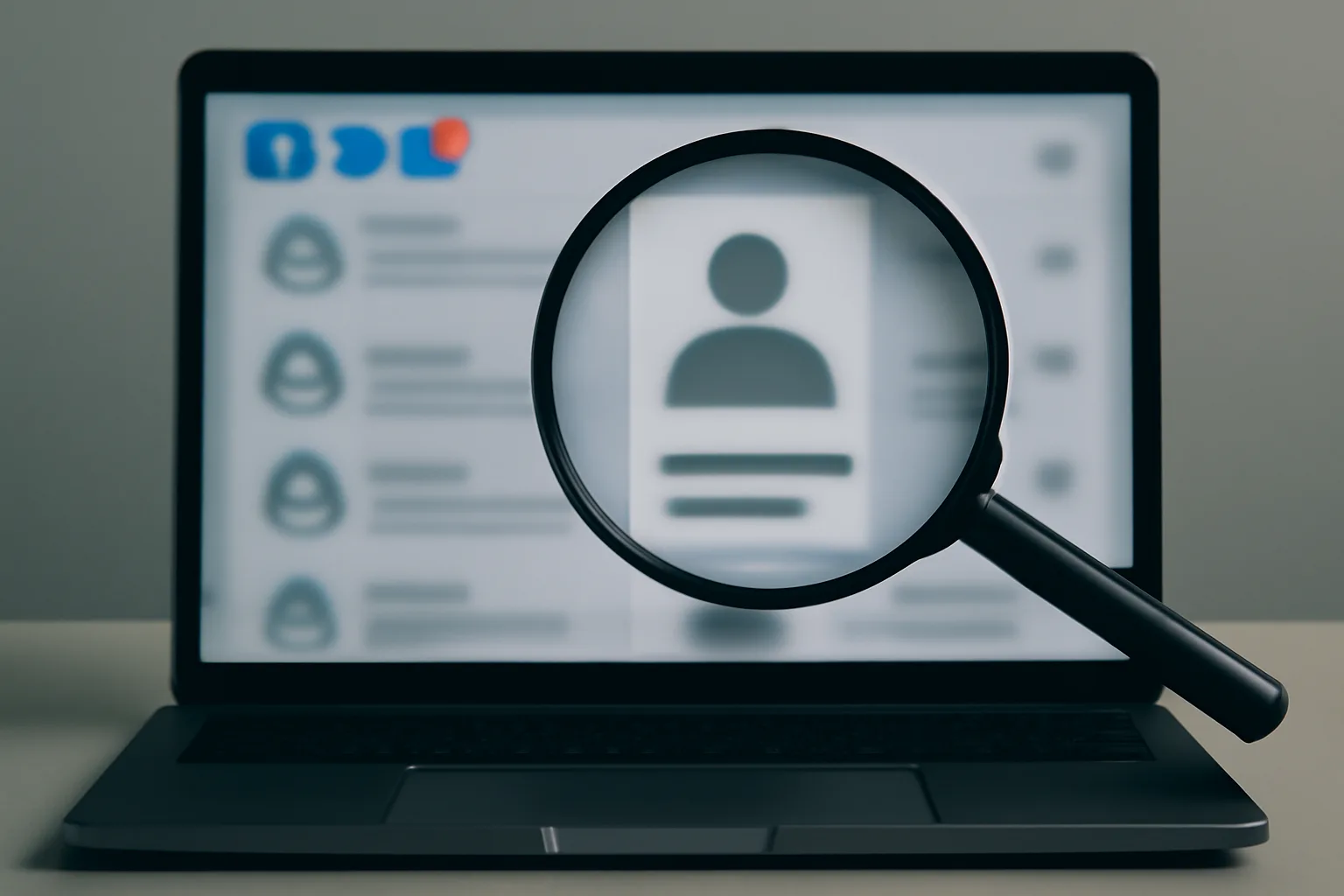
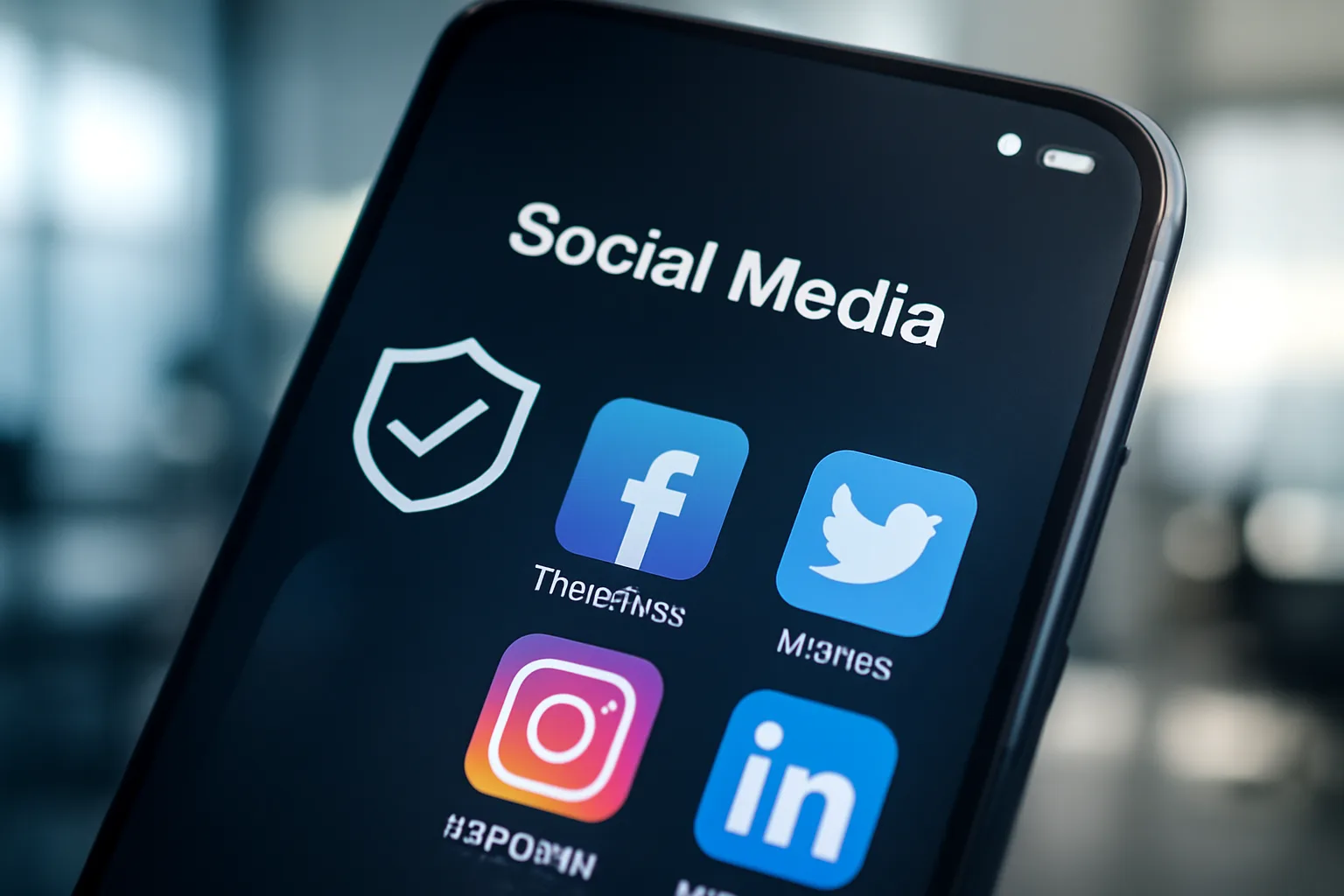
However, social media screening is not limited to these groups. Anyone applying for a U.S. visa — whether for travel, work, or relocation — may be asked to provide social media account information or allow immigration officials to access their public profiles.
What You Should Prepare
If you are applying for a U.S. visa or plan to apply soon, review your public social media accounts. Delete or make private any posts that could be misinterpreted — including political comments, photos of alcohol consumption, or any content that might be seen as violating U.S. law.
Important note: there is no need to delete your accounts or pretend you don't use social media. U.S. immigration officials know that most people use social media. They are looking for signs of illegal activity, fraud, or anything that might suggest you could become a burden on the state.
Why the Expansion?
The U.S. government believes social media screening helps identify security risks and people who may not meet legal eligibility requirements. However, this also means the visa application process will take longer. Some applicants report having to wait additional weeks for their visa interview while immigration officials review their accounts.