New Rule: Disclose Accounts or Face Denial
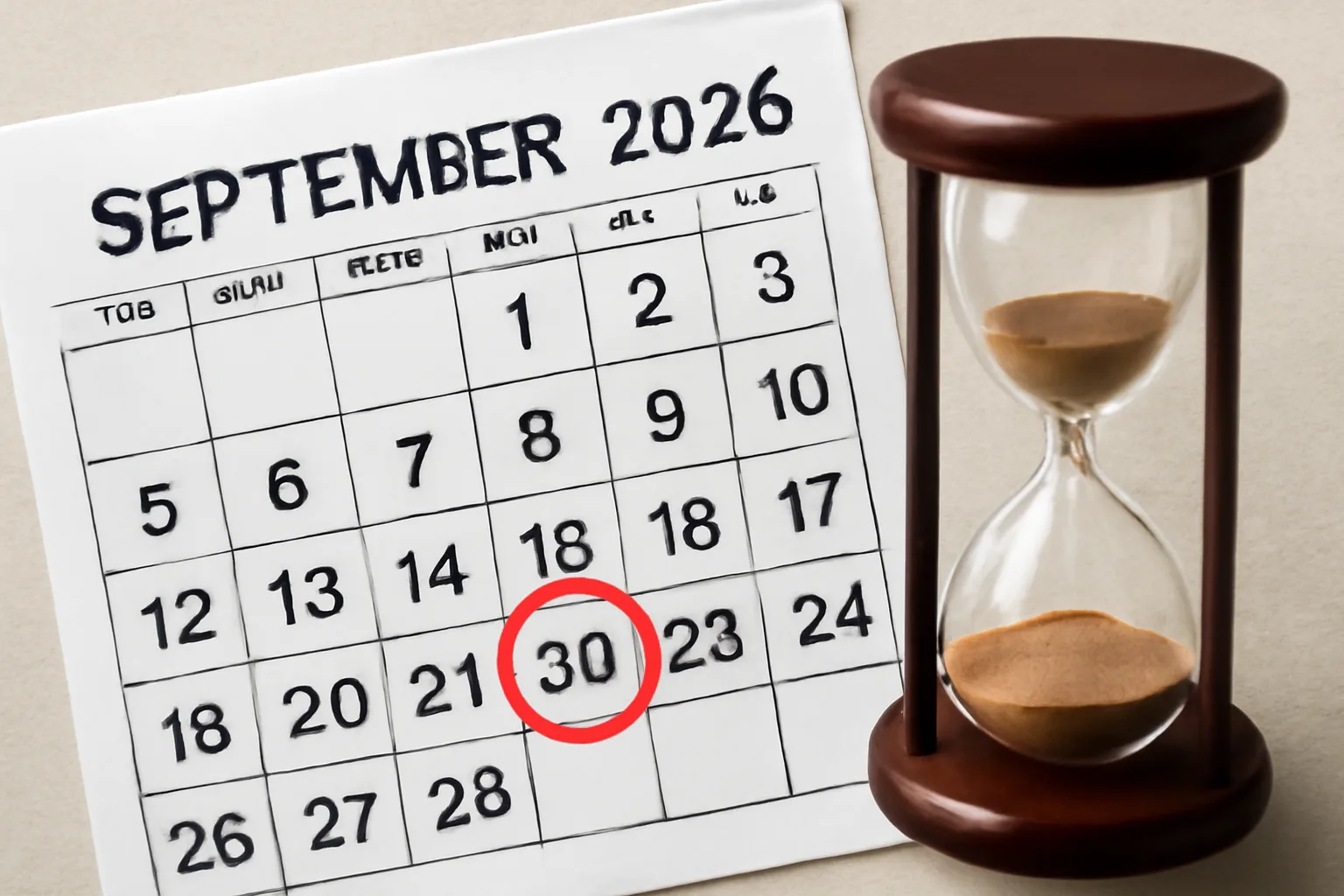
On September 23, 2026, the US State Department released the "Notice on Expanded Background Checks and Verification for Visa Applicants." This is a significant policy change that will directly impact millions of people applying for tourist, student, work, or relocation visas to the United States.
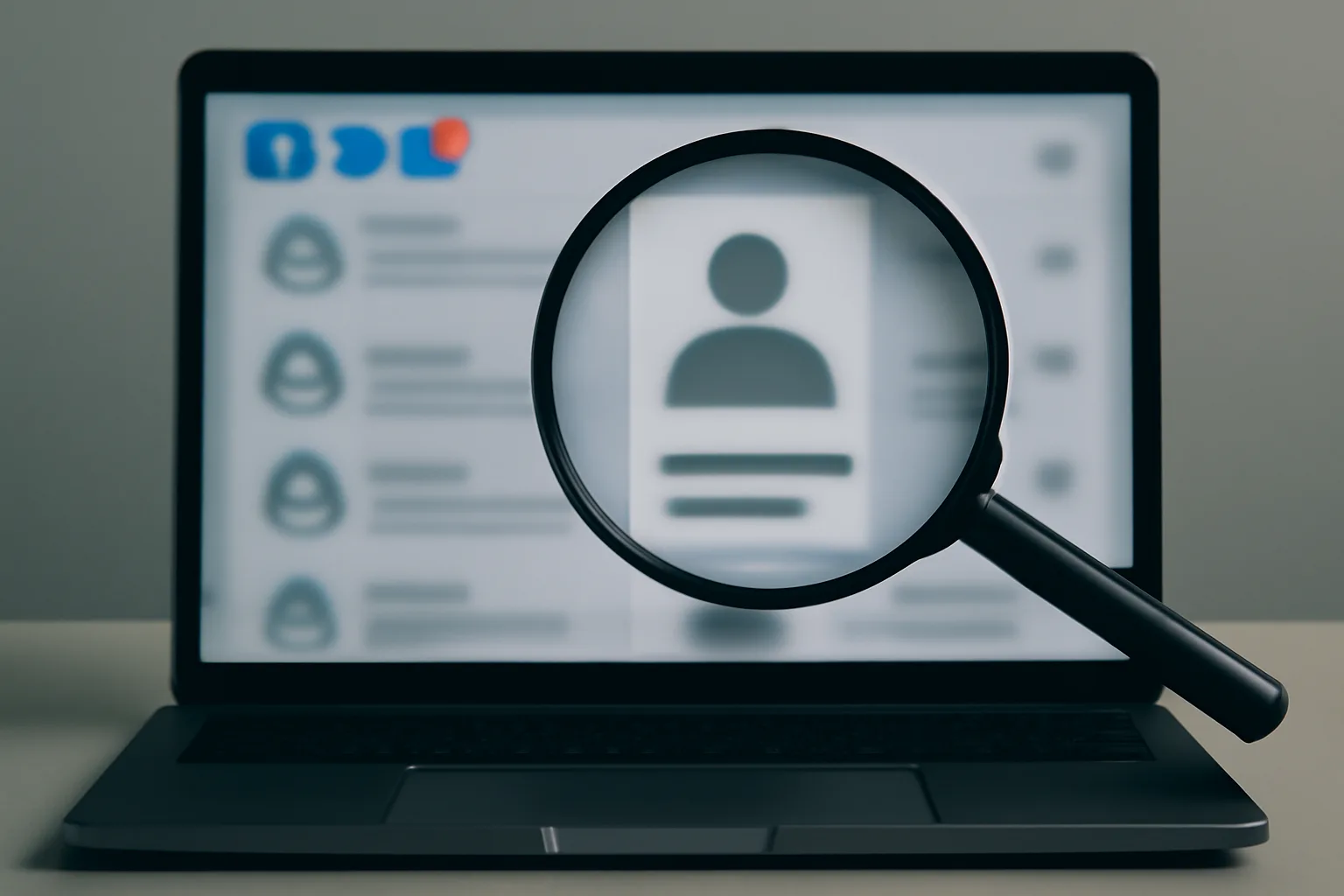
Under the new rule, visa applicants must disclose their social media accounts. This means that if you apply for a visa, you cannot keep your accounts on private — they must be set to public so that consular staff can review them.
What They Will Look For in Your Accounts
Consular staff will check for "hostile attitudes" toward the US. More specifically, they may search for content expressing threats, harassment, or hostility toward individuals or organizations in the US; discriminatory or hate-based content, including antisemitism; evidence of previous non-compliance with US visa regulations; and information inconsistent between your DS-160 form and visa interview.
In other words, anything you have posted on social media — whether from last year or years ago — can now be used to deny your visa.
Who Is Most Affected
This rule applies to all visa types, but visa interviews will prioritize J-1 physicians and students at universities with fewer than 15% international students. This suggests that some groups will face stricter scrutiny than others.
Important Cautions
This rule has no exceptions. If you refuse to disclose your accounts, your visa will be denied. If you do disclose but have "hostile" content, you will also be denied. There is no opportunity to correct or further explain yourself once a decision is made.
Moreover, the definition of "hostile" can be very vague. A political comment, a post criticizing US policy, or even a joke could be misinterpreted. Consular staff have the discretion to interpret what they see as they choose.
What You Should Do Now
If you are preparing to apply for a US visa, review all of your social media posts — Facebook, Instagram, TikTok, X (Twitter), LinkedIn, YouTube. Delete or hide any content that could be considered hostile, discriminatory, or inappropriate. Don't just delete — make your accounts completely private if possible, since the US can access deleted posts through internet archiving tools.
Additionally, prepare responses for any content you cannot delete. If asked about it, explain clearly and honestly.