Quick summary: In most cities with Asian communities, dry Vietnamese ingredients (fish sauce, dried rice noodles, spices) are easy to find. What's hard to find is fresh herbs and meat and fish cut Vietnamese-style; the most troublesome issues are cooking smells in apartments, smoke detectors, and bringing food through customs. Prepare for these challenges and your family can eat Vietnamese food nearly as well from day one.
Every family that moves abroad packs a suitcase of food. It's not uncommon to see three pounds of pork floss, two jars of shrimp paste, cured sausage, and herb seeds. Result: held at the airport, sometimes fined, and most items turn out to be available at an Asian market a few miles away.
The counterintuitive truth is: lacking ingredients is rarely the main problem. The main problem is your kitchen. Induction stoves don't work with round-bottomed woks, range hoods don't vent outside, smoke detectors go off when you fry fish, and neighbors knock on your door because of fish sauce smell. This guide covers everything from shopping to cooking.
Where to buy Vietnamese food in your new home?
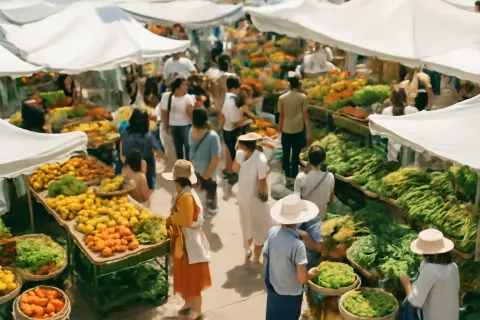
Each country has certain "go-to" addresses that Vietnamese expats know. The names of stores and markets below are search terms for when you arrive; availability varies by city.
| Location | Where Vietnamese shop | Notes |
|---|---|---|
| United States | Little Saigon in Southern California, Eden Center in Virginia, Bellaire area in Houston; Asian supermarket chains like H Mart, 99 Ranch | Nearly complete selection, including fresh herbs and Vietnamese-style bread |
| Canada | T&T supermarket chains, Asian markets in Toronto, Vancouver, Montreal | Fresh herbs are expensive and limited in winter |
| Australia | Cabramatta in Sydney, Footscray and Richmond in Melbourne | Locally grown herbs, fresh and diverse |
| Germany, Czech Republic | Đồng Xuân Center in Berlin, SAPA market in Prague | Wholesale markets run by Vietnamese, good prices |
| France | District 13 in Paris, major Asian supermarket chains | Long-established Asian food sources |
| Portugal, Greece | A few Asian and Chinese shops in Lisbon and Athens | Dry goods available, Vietnamese fresh herbs are rare |
| Malaysia, Thailand | Local markets | Herbs and spices nearly identical to Vietnam |
| Small Caribbean islands like Grenada | Almost no Asian markets | You'll need to grow your own and bring dry goods according to regulations |
In places without large Asian markets, Vietnamese community Facebook groups and expat networks are your best resource: who's selling homegrown vegetables, who makes sausages or spring rolls, which stores just restocked. The article on Vietnamese communities in new places covers how much you should rely on these networks.
What's easy to find, and what's truly scarce?
After observing expat families for years, we categorize ingredients into three groups.
Easy to find almost everywhere with an Asian community: fish sauce, soy sauce, dried rice noodles, dried vermicelli, rice paper, fragrant rice, lemongrass, ginger, garlic, chili, coconut milk, packaged pho or beef noodle soup spice packets.
Available but not always fresh or the right variety: rau ram (Vietnamese mint), perilla, mint, sawtooth coriander, betel leaves, Vietnamese basil, fresh rice noodles, fresh vermicelli, Vietnamese sausage, Vietnamese-style bread.
Genuinely difficult: meat cut Vietnamese-style (pork belly with skin, sectioned bones, organs), whole fresh fish prepared Vietnamese-style, water spinach in some temperate countries, tropical fruit with authentic flavor.
Tips from those who've gone before:
- Butchers at Asian markets usually cut to order if you ask in advance or place an order the day before. Western supermarkets almost never do.
- Halal or Eastern European butcher shops often carry parts that supermarkets discard: bones, organs, oxtails.
- Grow fresh herbs in pots on your balcony or windowsill: rau ram, perilla, and Vietnamese basil grow well in warm seasons. Buy seedlings at local Asian markets—don't bring seeds from Vietnam.
Bringing food from Vietnam: where people get fined most often
This is where most families slip up, because regulations are stricter than many expect.
| Destination | General passenger rules | Where Vietnamese families typically violate |
|---|---|---|
| Australia, New Zealand | Must declare all food and plants; failure to declare can result in heavy fines | Pork floss, cured sausage, seeds, dried leaves, fresh fruit |
| United States | Most meat products from abroad are prohibited; must declare food | Dried beef, pork floss, cured sausage, spring rolls, eggs |
| European Union | Passengers from outside the EU cannot bring meat, dairy, or products containing them | Sausage, pâté, powdered milk in opened packages |
| Canada | Must declare; many meat and plant products are restricted | Seeds, fruit, dried meat |
Safe rule: declare everything, even if you think it's allowed. If you declare and it's confiscated, you only lose the item. If you don't declare and it's discovered, you may be fined, flagged, and subject to stricter inspection on future entries.
Commercially packaged dry goods with clear labels (spice packets, instant noodles without meat packets, tea, coffee) often pass in many countries, but you must still declare. Specific regulations change over time—check your destination's quarantine agency website before your flight.
Your kitchen abroad: where most "incidents" happen
Rice cookers and voltage. Vietnam uses 220V electricity. The United States and Canada use about 110–120V; Japan uses 100V. Bringing a Vietnamese rice cooker or blender to the US requires a voltage converter, or better yet, buy a new one locally. Europe, Australia, Malaysia, and Thailand use voltage similar to Vietnam—you may only need to change the plug.
Induction stoves and round-bottomed woks. Many apartments in Europe and Australia have only induction or electric cooktops. Traditional round-bottomed Vietnamese woks don't work on induction stoves. Buy a flat-bottomed wok compatible with induction.
Range hoods that don't vent outside. Many apartments have range hoods that only filter and recirculate air back into the room. Frying fish, braising, or preparing fish sauce leaves smells for days, clinging to curtains and furniture—minor for you, major when returning a rental and losing your security deposit. The article on renting for the first time abroad covers common deductions.
Smoke detectors. In the United States, Canada, Australia, and the UK, smoke detectors are mandatory and very sensitive. Stir-frying or roasting can trigger them. In some apartment buildings, alarms are connected throughout the entire building. Open windows before cooking and ask your building management whether alarms automatically alert the fire department.
Grilling on the balcony. Many apartment buildings prohibit charcoal grilling on balconies. Small electric or gas grills may be allowed or prohibited depending on the building. Read your lease carefully.
Kids and lunch boxes at school
New expat kids often face a small but painful moment: bringing Vietnamese-style lunch to school and being teased for the smell. Many children come home asking for sandwiches like their friends, then gradually avoid family meals.
A few strategies from experienced parents:
- In the first year, pack low-odor meals for school (fried rice, spring rolls, fresh rolls without fish sauce), saving stronger-smelling dishes for dinner at home.
- Talk to your child before starting school about food differences so they're not caught off guard.
- Invite your child's friends over for Vietnamese food. Once their friends enjoy it, your child becomes proud again.
More about children's experiences in their first year, read the article on children in new schools.
Disadvantages and risks you should know
Cost. Imported Asian goods in temperate climates are often much more expensive than in Vietnam, especially fresh herbs out of season. Families trying to maintain the exact same menu as at home see their food budget rise quickly. Combining Asian ingredients with local, seasonal produce is the most sustainable approach.
Health. Climate change, new food sources—many older adults gain weight or experience digestive issues in the first year. Those with existing health conditions should see a doctor early and bring translated medical records.
The "homemade ingredients" trap. Buying spring rolls, fish sauce, and bread from social media sellers is common, but these items haven't undergone food safety inspection. For young children and elderly relatives, choose sellers with good reputations and avoid easily perishable items in hot weather.
Selling homemade food. Many expats want to cook and sell to their community. In most developed countries, selling food requires permits, a certified kitchen, and liability insurance. Operating illegally can result in fines and affect your residency status if your visa prohibits employment. QuocTich.com does not provide legal advice on business; ask local authorities first.
First-week kitchen checklist
- [ ] Find two addresses: one Asian market or supermarket, one butcher who will cut to order
- [ ] Buy a rice cooker locally with correct voltage
- [ ] Check your stove type and buy a compatible wok or pan
- [ ] Ask building management about smoke detector sensitivity and balcony grilling rules
- [ ] Buy herb seedlings and potting soil
- [ ] Join local Vietnamese expat groups to learn about vegetables, sausages, and bread sources
- [ ] Plan low-odor meals for your child's school lunch box
- [ ] Save your destination's quarantine regulations before each trip home to Vietnam
Next steps
Before your first flight, pack less food. Bring only a few truly hard-to-find dry goods in labeled packages, and declare everything. Save space for something you can't buy abroad: handwritten family recipes from home.
If your family is choosing where to move, food is part of a bigger question: what's daily life actually like there? You can explore other lifestyle articles, such as the first year in different cities, to get a better sense of what to expect.