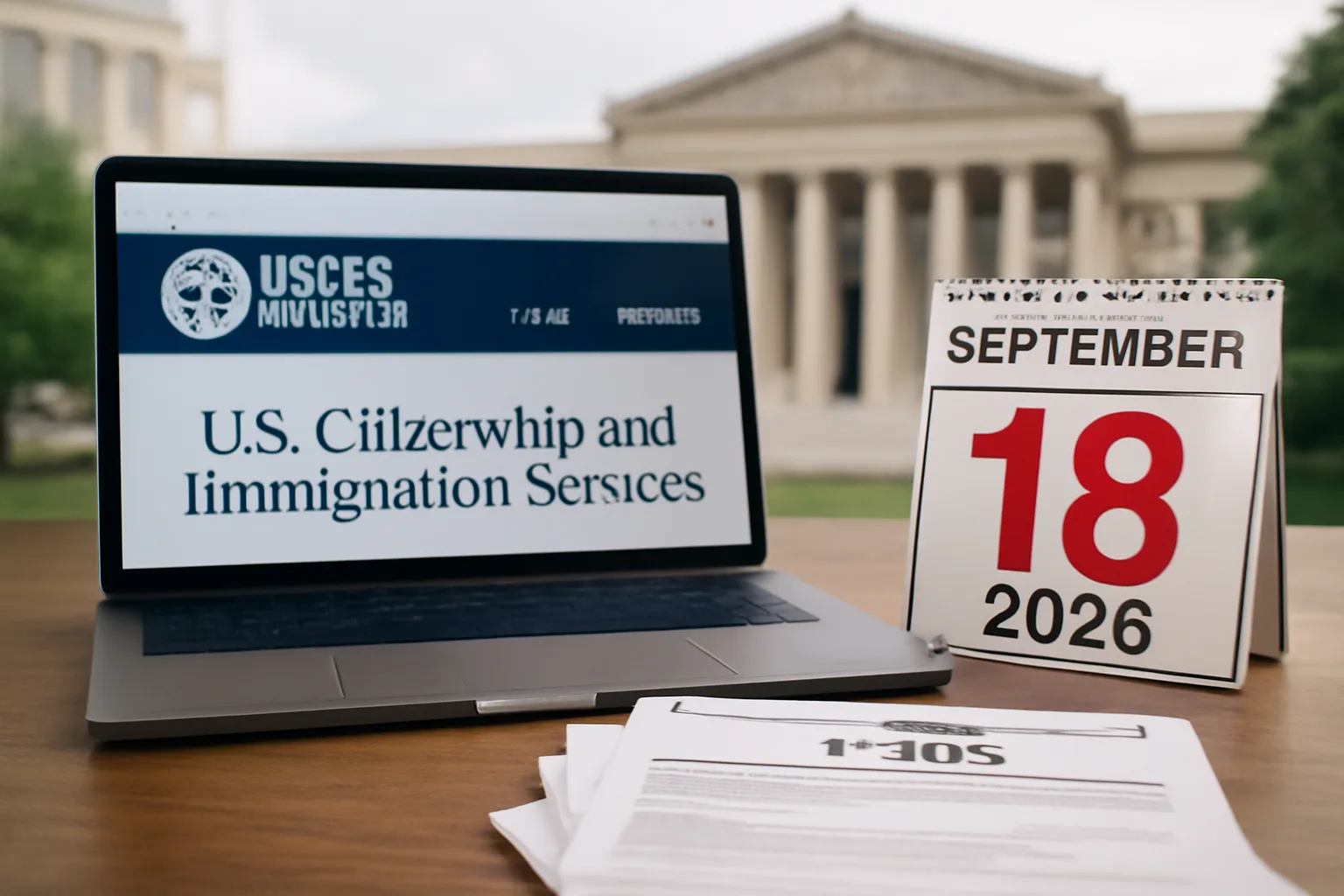
When Does the New Rule Take Effect?
The new public charge rule becomes effective on September 18, 2026, and applies to green card applications (Form I-485) filed or submitted electronically on or after September 18. Applicants who filed before September 18 or have applications already pending will be decided under the 2022 rule.
What Has Changed?
The old rule only counted cash benefits and long-term institutional care. Starting September 18, food stamps, Medicaid, and housing vouchers may also be considered. Under the 2022 rule, Medicaid, SNAP (food stamps), housing assistance, and other non-cash benefits could not be counted against visa applicants. The new rule eliminates the 2022 framework entirely.
The critical change is not just the list of benefits but the threshold at which benefit use is counted against a green card application. For example: a working parent earning a full-time salary that covers most household expenses but whose family also receives food stamps for groceries each month. Starting September 18, an officer may count those food stamps against the application, despite the parent's employment and self-sufficiency.
Who Is Affected?
The new rule applies to those applying for a green card through adjustment of status. Public charge does not apply to other applications, such as U.S. citizenship petitions.
Benefits now subject to consideration include Medicaid, CalFresh (SNAP), WIC, school meals, and housing assistance. Medicaid in most forms, SNAP (food stamps), and Section 8 Housing Choice Vouchers are now considered negative factors.
How Will It Be Calculated?
The new rule contains no clear "bright line" standard. Starting September 18, USCIS officers will not be limited to counting only cash and long-term care—they will be instructed to consider all relevant facts on a case-by-case basis. This means officers have significant discretion in deciding how much benefit use is too much.
Important Cautions
The new rule opens the door to inconsistent and arbitrary decision-making without clear replacement standards. Because there is no fixed rule, outcomes may vary depending on which officer reviews the case and which USCIS office processes it.
For pending applications, USCIS may still consider benefits with financial obligations received after September 18 as part of the "totality of circumstances." This means even if you file before September 18, benefits received after that date could still be factored in.
What Should You Do?
If you are preparing to apply for a green card:
- File before September 18 if possible: Applications filed before that date will use the old, more favorable rule.
- If filing after September 18: Carefully consider your use of public benefits. If you plan to apply after September 18, try to minimize government benefit use if you are able to do so.
- Consult an immigration attorney: Every situation is different. An immigration lawyer can help assess your specific risks and circumstances.