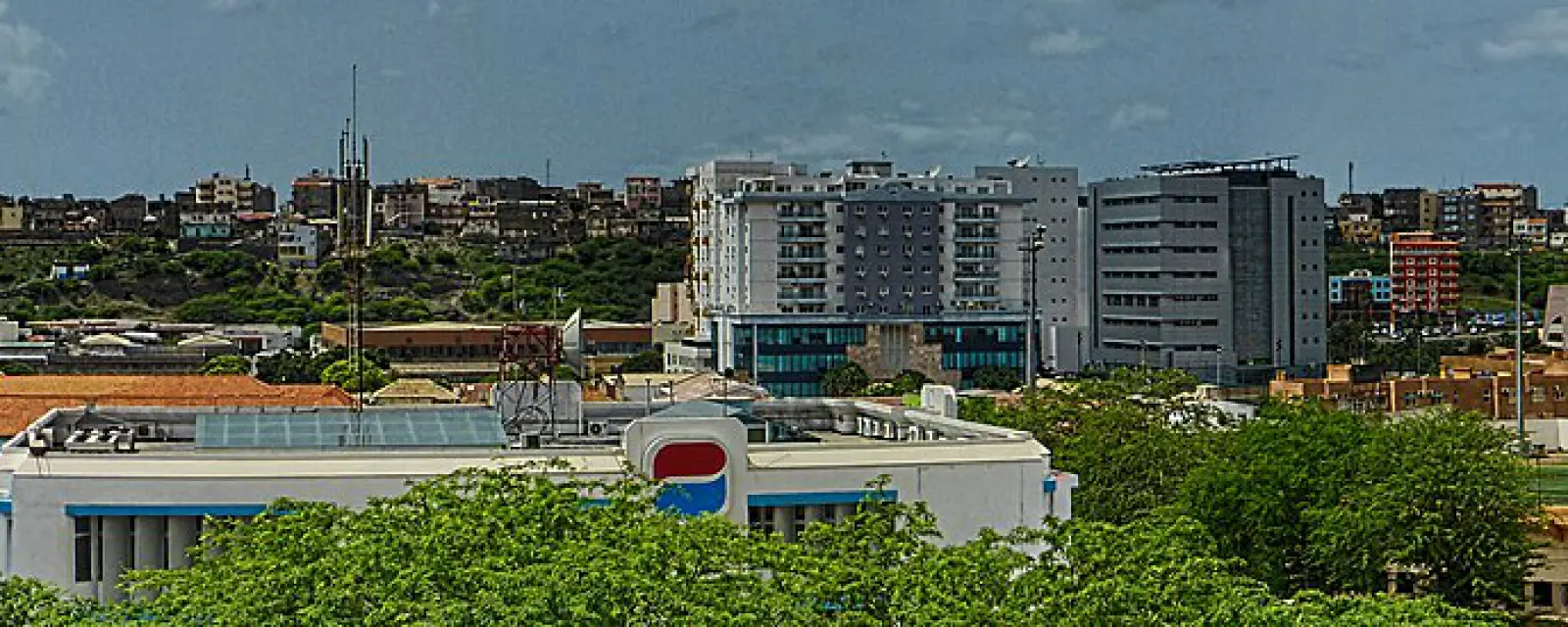
Overview
Cabo Verde holds a rank-62 passport reaching 65 destinations without a prior visa. Its population is around 590,000, the capital is Praia, and the currency is the Cabo Verdean escudo (CVE), pegged to the euro.
Cabo Verde has no Caribbean-style citizenship-by-investment programme, but permits dual citizenship.
📌 A diaspora larger than the home population — beginning with whaling ships
This library has recorded five countries whose diasporas exceed their home populations: Armenia, Lebanon, Guyana, Suriname, Kosovo.
📌 Cabo Verde is the sixth, and the one with the EARLIEST origin.
🔴 The root cause was drought. These islands are arid with no permanent rivers, and prolonged droughts in the eighteenth and nineteenth centuries produced famines killing a very large share of the population. Emigration was not a choice about opportunity — it was survival.
📌 And here is the little-known detail: from the early nineteenth century, American whaling ships called at Cabo Verde for water, provisions and crew. 🔴 Many Cabo Verdeans sailed on those ships to New England in the northeastern United States — and stayed.
📌 The result: the Cabo Verdean community in Massachusetts and Rhode Island is among the oldest African-descended communities in the United States formed through VOLUNTARY migration rather than the slave trade. 🔴 That is an important and rare historical distinction.
Other large communities exist in Portugal, the Netherlands, France, Italy, Senegal and Angola.
✅ Cabo Verde built policy around that reality: 📌 the constitution and legislation contain specific provisions on relations with communities abroad, including diaspora representation in parliament — 🔴 a mechanism very few countries have.
📌 This is the same logic the Armenia article describes: nationality law and even political structure written to the real population rather than the number inside the borders. Cabo Verde goes a step further — not only permitting dual citizenship, but granting seats in the legislature.
✅ Governance — what Cabo Verde deserves credit for
📌 Cabo Verde consistently ranks among Africa's leaders in assessments of governance, institutional stability and press freedom.
📌 It became independent from Portugal in 1975, moved to a multiparty system in the early 1990s, and has seen several peaceful transfers of power through elections.
✅ Cabo Verde graduated from the UN's least-developed-country category in 2007 — 📌 in the same group as Samoa (2014), and among the very few countries to reach that milestone.
🔴 But state it fully: the domestic market is very small; dependence on tourism and remittances is heavy; and 🔴 almost all food and fuel is imported, leaving prices sensitive to external shocks.
🔴 Water — a structural problem
🔴 Cabo Verde is among the most water-scarce countries in the world. There are no year-round rivers, rainfall is erratic, and 📌 most domestic water on the main islands comes from seawater desalination — effective but energy-intensive.
✅ Cabo Verde is among Africa's leaders in the share of wind and solar in its electricity, partly because imported fuel costs are so high that renewables became economically rational rather than merely environmentally desirable.
📌 A point worth recording: for a small island state, renewable energy is not the idealistic option but the cheaper one.
📌 Culture — morna and a language of its own
📌 Morna — Cabo Verde's signature musical form, bound to the feeling of sodade, longing for home — is inscribed on UNESCO's intangible cultural heritage list.
📌 The singer Cesária Évora carried morna to the world, becoming among the most widely recognised African artists.
🔴 A notable point about its content: most morna concerns separation, the sea and those who have gone away — 📌 a country's national music built around the experience of emigration itself. For this site's subject, few examples show more clearly how migration shapes an entire people's identity.
📌 Language: Portuguese is official, but the everyday language of essentially the whole population is Cabo Verdean Kriolu — a Portuguese-based creole, and held to be among the oldest living creole languages.
🔴 The same situation the Haiti article describes: the language of the whole population and the language of documents are not the same — and raising Kriolu's official status is a long-running policy subject.
Geography & economy
📌 Cabo Verde comprises ten main islands in the Atlantic, about 600 km off the West African coast. Terrain differs markedly between them: Santo Antão and Fogo are mountainous, while Sal and Boa Vista are flat and sandy. 📌 Fogo has an active volcano.
Economy: 📌 tourism is the largest sector, concentrated on Sal and Boa Vista; alongside remittances, fishing and fish processing, and maritime and aviation services given the mid-Atlantic position.
📌 Geography is a genuine asset: Cabo Verde sits on routes between Europe, Africa and the Americas, and this has been used to develop aviation and port transhipment services.
As always: tax obligations here do not replace those in your country of residence.
Immigration routes & citizenship
Categories existing in law include work permits, residence tied to investment, residence through marriage, and 📌 a retirement category — Cabo Verde actively attracts European retirees.
✅ Dual citizenship permitted. 📌 Arrangements exist for people of Cabo Verdean origin abroad, consistent with the diaspora policy above.
🔴 If anyone offers you Caribbean-style "Cabo Verdean citizenship by investment", stop. Investor residence exists, and the two must be called by their correct names.
📌 Cabo Verde belongs to ECOWAS and holds a special partnership agreement with the European Union — 🔴 but state it clearly: that is a cooperation agreement, not a route to EU citizenship, and should not be sold as one.
Who should consider Cabo Verde
It may fit if: you work in tourism, renewable energy, fish processing or maritime services; or seek a stable, safe, Portuguese-speaking retirement base close to Europe — 📌 among the few African countries regularly mentioned for this purpose.
Not a fit if: 🔴 you are offered "Cabo Verdean citizenship by investment" or it is tied to EU access; you are targeting the domestic market — 590,000 is very small; or you need local water and raw materials.
The point to carry away: Cabo Verde is the sixth country in this library whose diaspora outnumbers its home population — but the only one to have turned that into a formal political structure, with parliamentary seats representing those abroad.
📌 For a site about acquiring additional nationalities, this is a perspective worth holding: most countries treat those who leave as a loss to be compensated for. 🔴 Cabo Verde treats them as a constituent part of the nation, and wrote that into its institutions. A small country, but not a small idea.