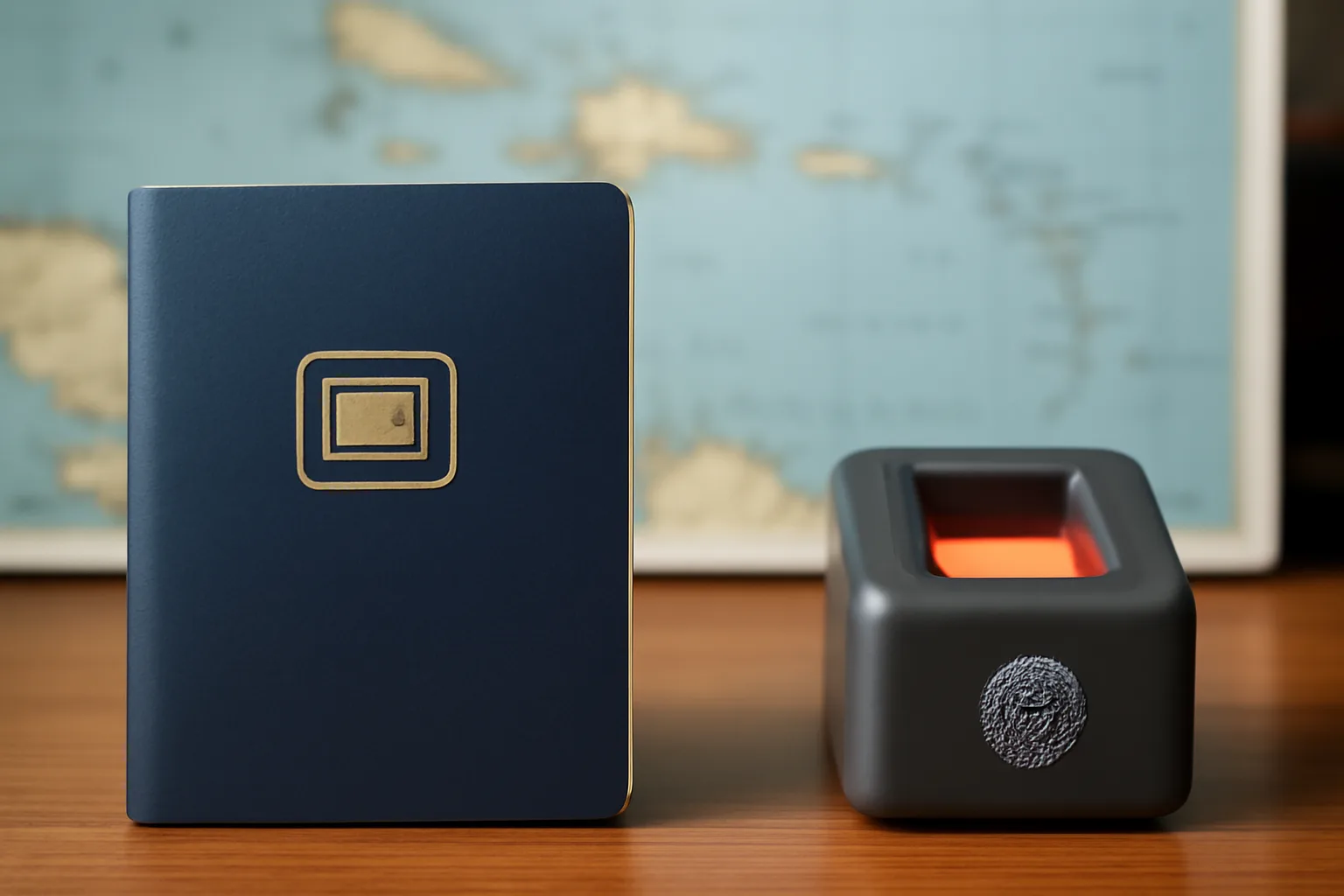
Who Must Comply and When
St. Kitts and Nevis will begin biometric collection for passport upgrades starting April 14, 2026, mandatory for all citizens who obtained citizenship through the Citizenship by Investment (CBI) program, with a deadline of July 2027.
This requirement applies only to those who acquired St. Kitts and Nevis citizenship through CBI — not to those born in the country. Whether you received your passport in 2015, 2018, or 2023, you must comply.
All existing passports will be canceled and reissued. This is not a parallel system — current passports will lose validity once the system transitions entirely to biometric-enabled documents.
The window from April 2026 to July 2027 represents 15 months. With thousands of applications to process, submitting close to the deadline could face administrative bottlenecks.
Why St. Kitts Is Doing This
Caribbean nations and Vanuatu have already implemented biometric systems. New programs are emerging in Africa and the Pacific, and European authorities are intensifying oversight of investment migration routes.
Pressure comes from two directions. First, from visa-waiver countries: The United Kingdom imposed visa requirements on Trinidad and Tobago citizens in March 2025, citing increased asylum applications — Trinidad joined Jamaica and Dominica among Commonwealth Caribbean nations whose citizens now need travel visas to the UK. Dominica lost UK visa-waiver status in July 2023; the UK Home Office linked this decision partly to concerns about that country's citizenship investment program, including security risks.
Second, from the United States. The U.S. State Department's final temporary rule linked citizenship programs to countries with high overstay rates, insufficient vetting and due diligence, or citizenship programs where nationality can be acquired without residency requirements.
Biometrics are a way to prove to international partners that St. Kitts knows exactly who is holding its passports. It is a defensive measure to preserve the travel value of the passport.
What You Need to Prepare
The St. Kitts and Nevis government has not released full procedural details, but based on similar programs:
Biometric collection typically includes: ICAO-standard facial photograph, ten-digit fingerprints, and sometimes iris scans. This data is encrypted onto an electronic chip in the new passport.
Collection locations: Likely at St. Kitts and Nevis consular offices or through authorized agents in major cities. Some countries allow collection through certified third-party service providers.
Costs: Not yet disclosed. Similar programs typically charge for new passport issuance, ranging from several hundred to over one thousand USD depending on passport type (standard, expedited, validity extension).
Processing time: If the system is new, expect 2–4 months as reasonable. Submitting near July 2027 risks delays.
If you have important travel or business plans during the submission period, factor in the possibility that your current passport may be held during processing.
Risks of Missing the Deadline
All existing passports will be canceled and reissued — meaning after July 2027, passports without biometrics may no longer be recognized.
In practice, countries typically allow transition periods, but the risks are real:
- Airline denial: Airlines verify passport validity through electronic systems. If St. Kitts flags your old passport as "cancelled," you will not be allowed to board.
- Border detention: Immigration officials can deny entry if your passport is invalid, even if the printed expiration date has not passed.
- Loss of visa-free access: Some countries may impose visa requirements on St. Kitts and Nevis passports lacking biometrics while waiving them for new ones.
This is not theoretical. When Turkey transitioned to biometric passports, many holders of old documents faced issues at European airports during the transition period.
Hidden Costs Few Discuss Upfront
Family expenses add up: If your original application included a spouse and three children, you must process biometrics for five people. If each new passport costs 500 USD, the total is 2,500 USD — before travel costs to a collection center if none exists in your city.
Biometric data is permanent: Once you submit fingerprints and iris scans, this data enters St. Kitts and Nevis's database. If that database is breached or shared with third parties, you cannot "change" biometrics the way you change a password.
Children require updates as they grow: Biometrics for children under 12 change rapidly. Many countries require biometric updates every few years for minors. This means repeated costs and procedures.
Unclear procedures for remote applicants: If you live outside St. Kitts and Nevis and the country has no consulate or agent in your city, you may need to travel to a regional hub such as Singapore, Bangkok, or even back to St. Kitts. The cost and time for such travel were never factored into the original "passport price."
Broader Context: The Caribbean Is Tightening
St. Kitts is not alone. Eastern Caribbean CIP countries plan to impose structured residency requirements of 30 days with genuine connection to the country for all new applicants by mid-2026.
The Eastern Caribbean Citizenship Investment Regulatory Authority (ECCIRA) launches in April 2026 and will finalize in-country approval steps. It will establish binding standards for CBI operators and licensed agents. Under upcoming changes to Caribbean citizenship, successful applicants will be required to spend a total of 30 days in their second country within the first five years after obtaining citizenship.
This is an industry-wide trend. Investors applying for citizenship and residency programs face stricter vetting, expanded documentation, and thorough due diligence.
If you are considering a Caribbean program, understand that "buy and shelve" is no longer the model. These countries are shifting toward requiring genuine connection — whether through residency, biometrics, or taxation.
What to Do Now
If you already hold a St. Kitts and Nevis passport:
- Contact the agent who handled your original application or the Citizenship by Investment Unit (CIU) of St. Kitts and Nevis to ask about specific procedures.
- Do not wait until June 2027. Submit during Q1 or Q2 2027 to avoid congestion.
- Review your travel calendar: if you have critical trips in late 2027, process biometrics before then.
If you are considering applying for St. Kitts and Nevis citizenship:
New applications from now through after July 2027 will likely receive biometric-enabled passports from the start. But ask your agent explicitly about procedures and timelines — if they say "passport in 3 months" without mentioning biometrics, they are selling outdated information.
If you are comparing Caribbean programs:
The St. Kitts and Nevis citizenship by investment program ranked first as the world's best citizenship investment program in the 2026 Global Citizenship Program Report — but rankings say nothing about hidden costs and post-issuance procedures. Read carefully the "maintaining citizenship" and "ongoing compliance" sections, not just the "benefits" part.