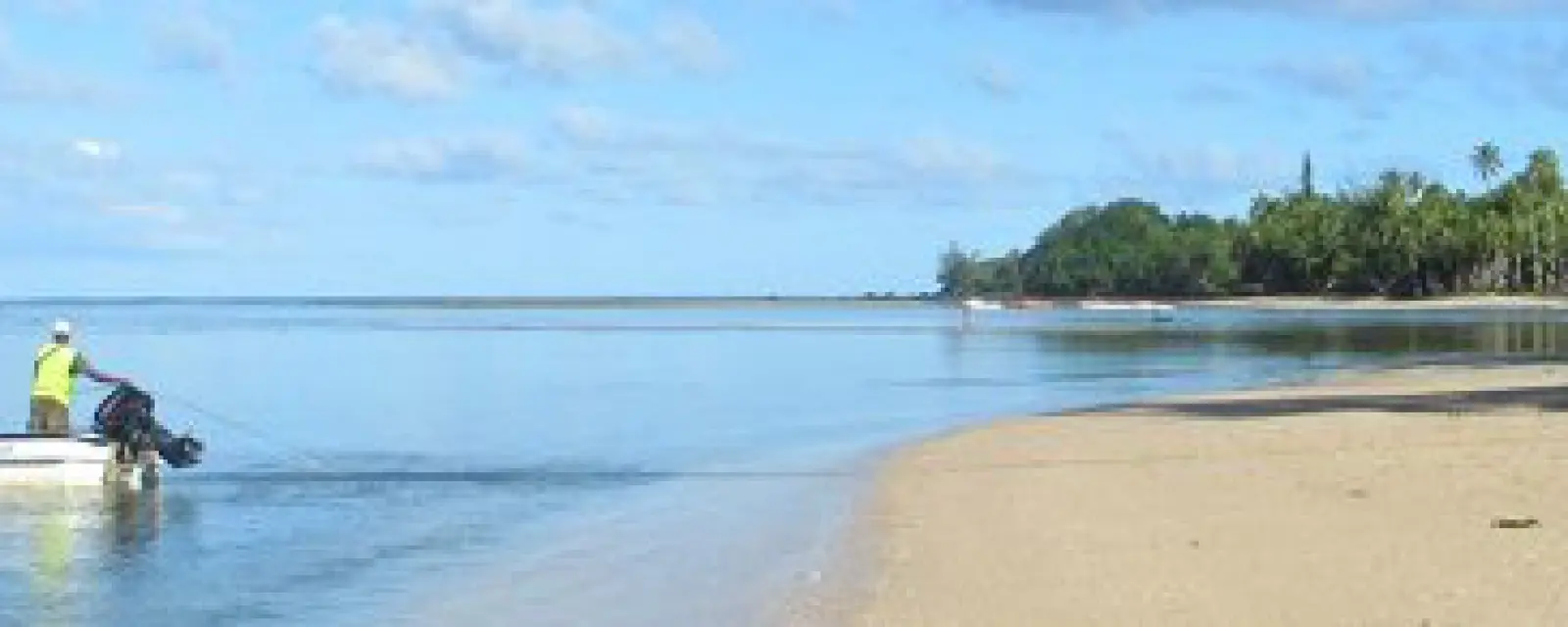
Overview
Vanuatu is a nation comprising approximately 83 islands in the South Pacific, positioned between Fiji and New Caledonia, approximately 1,750 km east of Australia. Total area is 12,189 km², with a population of roughly 330,000, and the capital is Port Vila.
This is the only citizenship investment program outside the Caribbean and Europe commonly presented to investors worldwide, and it is known for two things: the fastest processing in the world — applications can be completed within one to two months — and low cost.
But the most important point must be stated immediately, as it fundamentally changes the program's value:
The European Union has suspended and then permanently revoked Schengen visa-free privileges for Vanuatu passports. The EU began partial suspension in 2022 due to concerns about background vetting standards in the citizenship investment program, and subsequently expanded this to a complete suspension. The United Kingdom has also revoked visa-free access for Vanuatu citizens.
This means the program's greatest advantage — visa-free travel to Europe — no longer exists.
Viking Global Group believes you must understand this first. If any advisor still advertises "Vanuatu passport with Schengen visa-free access," request official written confirmation from a primary source.
Geography & Climate
The archipelago spans over 1,300 km in a north-south direction. Main islands include Efate (which contains the capital Port Vila), Espiritu Santo (the largest), Malekula, and Tanna (famous for Mount Yasur volcano).
The terrain is volcanic with dense tropical rainforest and coral coastlines.
The climate is tropical and humid, ranging from 20–30°C. The rainy season runs November–April and coincides with cyclone season; the dry season (May–October) is more pleasant.
Natural disaster risk — this section is mandatory reading, as Vanuatu ranks among the world's highest-risk nations:
Vanuatu consistently ranks among the world's highest-risk nations for natural disasters in international assessments. The reason is simultaneous exposure to three hazards:
- Tropical cyclones: Cyclone Pam (2015) and Cyclone Harold (2020) both caused widespread severe damage
- Earthquakes: Located on the Pacific Ring of Fire, earthquakes occur frequently
- Active volcanoes: Mount Yasur on Tanna Island erupts nearly continuously; entire island populations have been evacuated
If you are considering real estate purchase or relocation, this factor must be addressed at the outset.
Historical Background
Melanesian peoples settled the archipelago over three thousand years ago.
During the colonial period, Vanuatu operated under a unique arrangement in world history: the Anglo-French Condominium from 1906 — two imperial powers exercised joint rule. There were two separate legal systems, two police forces, two school systems, and two currencies. Indigenous people had to choose which system governed their disputes. This chaotic arrangement led to joking references to it as "Pandemonium" rather than "Condominium."
Independence came on July 30, 1980, taking the name Vanuatu and adopting a parliamentary republic system.
The legacy of three influences — British, French, and indigenous — remains evident in language, education, and law.
Culture & People
Vanuatu has three official languages: Bislama (a creole-based language derived from English, serving as the national lingua franca), English, and French. Additionally, there are over 110 indigenous languages — the highest language density per capita in the world.
For Vietnamese speakers: English is functional in Port Vila and in business contexts, but outside the capital, Bislama predominates.
Kastom culture — the system of customary practices, traditional law, and beliefs — remains central to village life. This has significant real-world legal consequences for investors:
Foreigners CANNOT own land in Vanuatu. All land belongs to indigenous clans under the constitution. Foreigners may only lease for a maximum of 75 years. This is fundamentally different from Caribbean programs where you own property in perpetuity.
Vanuatu society is friendly with a very slow pace of life. International surveys have periodically ranked Vanuatu among the world's "happiest nations" by Gross National Happiness measures.
The Vietnamese community in Vanuatu has notable history: in the early 20th century, the French brought thousands of Vietnamese laborers to work plantations. Some remained and integrated; today a small Vietnamese-descent community exists in Port Vila.
Economy & Opportunities
Vanuatu's economy is small and based on:
Agriculture — copra (dried coconut), cacao, coffee, and beef. Vanuatu cattle are grass-fed and exported to Japan and Australia.
Tourism — primarily Australian and New Zealand visitors, concentrated in Port Vila and Espiritu Santo. Diving is renowned for the SS President Coolidge wreck — one of the world's most accessible wreck dive sites.
Offshore financial services — company and vessel registration. This sector faces significant international scrutiny in recent years.
Citizenship investment program — contributes a disproportionate share to the national budget, at times representing a substantial portion of total revenue.
On taxation: Vanuatu has no personal income tax, no corporate tax, no inheritance tax, and no capital gains tax. It is among very few nations worldwide with this structure. Government revenue comes primarily from import duties, VAT, and fees.
Important reminder: having no tax obligation in Vanuatu does not eliminate tax obligations in your country of residence.
Relocation Program
Vanuatu operates its citizenship investment program under various names and mechanisms across different periods, currently focused on contributions to the Development Support Program.
Remaining strengths:
- Fastest in the world — applications can be completed in one to two months
- Lowest cost among citizenship investment programs
- No residency requirement, no interview, no language test
- No personal income tax
Factors requiring careful consideration:
- No longer offers visa-free access to Schengen countries or the United Kingdom — the former primary advantage is lost
- The program faces strong international scrutiny regarding background vetting standards
- Vanuatu passports face increasing examination at border controls worldwide
- International banks apply heightened due diligence to Vanuatu-related applications
Viking Global Group's direct assessment: for most international investors, Vanuatu is no longer a sound choice if your goal is convenient travel or a long-term useful passport. The program retains a narrow purpose — if you need a second citizenship urgently due to specific circumstances, or if you're interested in a zero-tax jurisdiction and plan to maintain genuine presence in the Pacific.
If you're comparing Vanuatu to Grenada or Saint Lucia based solely on price, we recommend reconsidering the full picture.
On specific figures: contribution amounts and fees change with regulations across different periods. Consult with a specialist for currently applicable terms.
Living Reality
Cost of living in Port Vila is higher than many expect — imported goods are expensive due to remote location and small market size. Local produce and seafood are affordable.
Healthcare: limited. Hospitals in Port Vila and Luganville address basic needs; complex cases require transfer to Australia or New Zealand — emergency transport costs are very high. International health insurance covering emergency evacuation is mandatory.
Education: bilingual English-French system with quality below international standards. Expatriate families typically enroll children in small international schools in Port Vila or arrange schooling in Australia or New Zealand.
Travel: Bauerfield International Airport in Port Vila has flights to Australia, New Zealand, Fiji, and New Caledonia. No direct flights to Europe or North America.
From Vietnam: requires transit through Australia or Fiji; total journey typically 20–28 hours. Time difference from Vietnam is 4 hours — more convenient than Caribbean locations if you maintain business dealings with regional contacts.
Who Should Consider Vanuatu
Well-suited if you:
- Need a second citizenship urgently due to specific circumstances — no program is faster
- Plan to maintain genuine presence in the Pacific region, conducting business with Australia and New Zealand
- Are interested in a zero-tax jurisdiction and have comprehensive tax advice for both jurisdictions
- Have limited budget and understand the trade-offs involved
Not well-suited if — and this covers most cases:
- Your goal is visa-free travel to Europe and the UK — these privileges no longer exist
- You want a passport that is long-term useful and faces minimal scrutiny — Vanuatu faces strong international examination
- You plan to purchase and own property in perpetuity — foreigners cannot own land, only lease for maximum 75 years
- You intend to relocate and require quality healthcare and education
- You cannot accept the risks of cyclones, earthquakes, and active volcanoes — Vanuatu ranks among the world's highest natural disaster risk nations
- You are comparing based on price alone — examine the complete picture before deciding
This article provides foundational information for reference purposes. The visa-free status of Vanuatu passports has changed significantly and may continue to change. You must consult with a Viking Global Group specialist to obtain the latest information before making any decision.