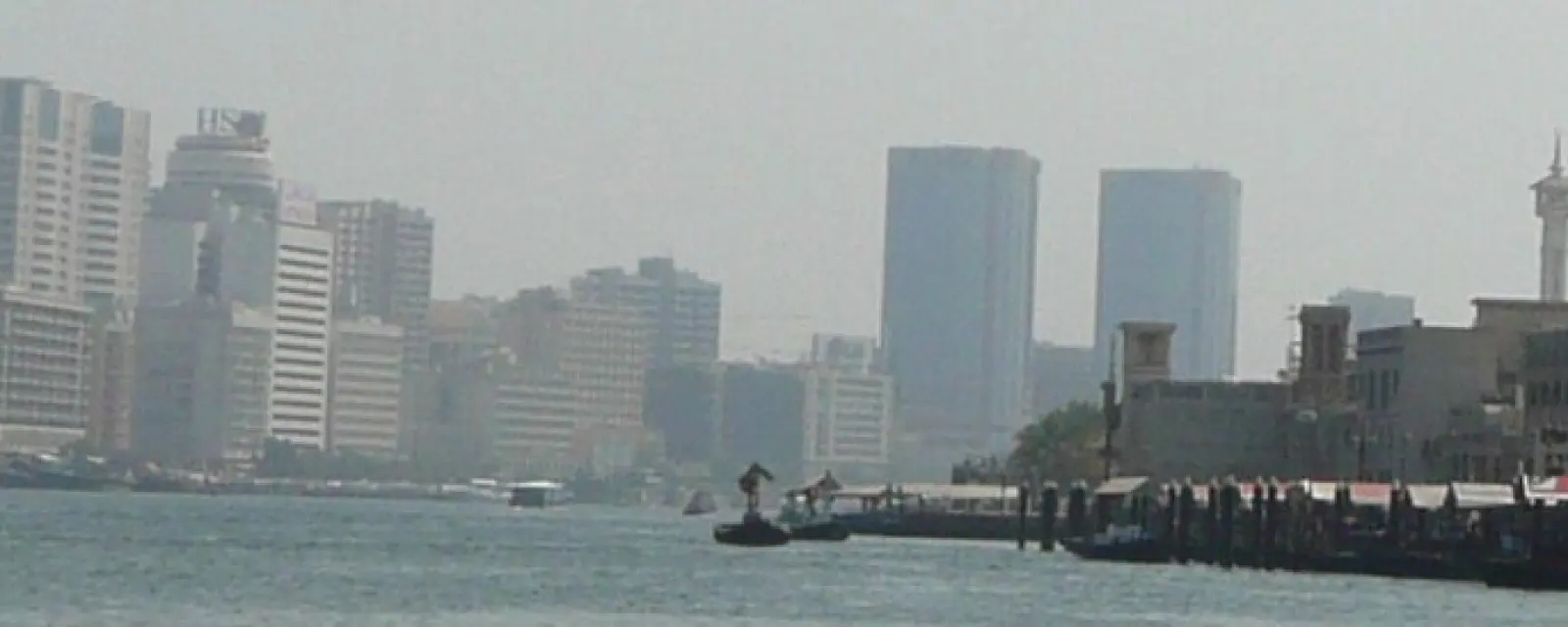
Overview
The United Arab Emirates is a federation of seven emirates in the southeast of the Arabian Peninsula, formed in 1971. It covers 83,600 km² with a population of approximately 10 million — yet only about 11% are UAE citizens, with the rest being foreigners.
This ratio is the first thing to understand about the UAE, because it explains everything else.
The UAE grants citizenship to almost no one. There is no citizenship purchase program, and naturalization for foreigners is extremely rare, typically reserved for exceptional cases decided by leadership. A foreigner living in the UAE for 30 years remains a foreigner.
What the UAE does offer is the Golden Visa — a long-term 10-year residence permit that is renewable. This is excellent for the purpose of living, doing business, and traveling within the region, but it is not a second passport.
Anyone who tells you there is a "Dubai citizenship" option is providing you with completely false information.
Geography & Climate
The seven emirates are: Abu Dhabi (the largest and capital), Dubai (most populous and famous), Sharjah, Ajman, Umm Al Quwain, Ras Al Khaimah, and Fujairah.
Most of the territory is desert. The Persian Gulf coastline runs along the north and west, with the Hajar Mountains to the east.
Climate is something you must seriously consider — it is a harsh desert climate:
- Summer (May–September): 40–48°C with high humidity along the coast, making the heat feel even more intense. Spending time outdoors during midday is nearly impossible
- Winter (November–March): 18–28°C, comfortable, and the peak tourist season
Life in practice: almost all activity takes place indoors in air-conditioned spaces — shopping malls, offices, cars. Those accustomed to humid tropical climates will still find UAE summers to be a distinctly different experience.
Sandstorms occur several times a year. Rainfall is extremely rare, but when heavy rain does occur, the drainage infrastructure can become overwhelmed.
Historical Development
This region historically relied on fishing, pearl diving, and maritime trade. The emirates signed protectorate treaties with Britain in the 19th century, becoming known as the Trucial States.
Oil was discovered in Abu Dhabi in 1958 — a watershed moment that transformed the entire region. After Britain withdrew, on December 2, 1971, six emirates formed a federation, with Ras Al Khaimah joining the following year.
What is notable about modern UAE: Dubai proactively diversified away from oil very early on. Oil now represents only a small portion of Dubai's GDP; primary revenue comes from trade, logistics, tourism, finance, and real estate. Abu Dhabi, while still oil-rich, is also investing heavily in renewable energy and technology.
The transformation from a desert fishing village to a global center over half a century represents one of the fastest development stories in modern history.
Culture & People
Arabic is the official language, but English is the practical language of communication in business, healthcare, restaurants, and most services. For Vietnamese nationals, the language barrier is much lower than in mainland Europe.
Islam is the state religion, and the legal system incorporates Sharia principles in family law. However, the UAE — particularly Dubai — is relatively liberal compared to other Gulf states: alcohol is sold in hotels and licensed stores, dress codes are relaxed in expat areas, and churches of other religions operate openly.
Still, you must respect local norms: dress modestly in public, do not consume alcohol in public, be discreet with public displays of affection, and be especially mindful during Ramadan.
Something to know beforehand: the UAE legal system is considerably stricter than the glamorous image of Dubai suggests. Issues such as bounced checks, unpaid debts, or contract disputes can result in criminal rather than civil consequences.
The Vietnamese community in the UAE numbers a few thousand people, concentrated mainly in Dubai — working in hotels, aviation, construction, and commerce. Vietnamese restaurants and community groups exist, but the community is small.
Economy & Opportunities
Trade and logistics — Dubai is a transshipment hub between Asia, Europe, and Africa. Jebel Ali Port is the largest container port in the Middle East. Many Vietnamese businesses use Dubai as a transhipment point to Africa and the Middle East.
Free Zones — over 40 zones offering 100% foreign ownership, fast business registration, and tax incentives. This is the most practical appeal for Vietnamese entrepreneurs.
Tourism and hospitality — Dubai receives tens of millions of visitors annually.
Real estate — a vibrant market where foreigners can own property perpetually in designated freehold areas. However, be aware that this market is cyclical and has experienced significant downturns in the past.
On taxation — the most attractive point but you must understand it correctly:
- No personal income tax — true, and this is a genuine advantage
- However, since 2023, the UAE imposes a 9% corporate tax on profits above a certain threshold
- There is a 5% VAT in place since 2018
- Most importantly: having no tax liability in the UAE does not mean you have no tax obligations in your home country. Your tax residency status depends on your country's tax laws — you need a tax lawyer to advise on your specific situation
Residency Programs
Golden Visa — 10-Year Residence Permit
Introduced in 2019 and renewable, it is granted to various categories:
Real estate investors — owning property at minimum value in designated zones.
Business investors — investing capital into UAE businesses meeting specified thresholds.
Specialized professionals — doctors, scientists, engineers, software developers, artists, athletes, and degree holders meeting salary requirements.
Outstanding students and scholars.
Benefits: live and work in the UAE with self-sponsorship without needing a company sponsor — a major difference from standard employment visas that tie you to an employer. You can sponsor your spouse, children, and domestic help. You can enter and exit freely and won't lose your visa if you stay abroad for long periods, unlike standard visas.
What You Must Understand Clearly
The Golden Visa does not lead to UAE citizenship. There is no naturalization pathway for foreign investors. Even if you live in the UAE for 30 years on a Golden Visa, you remain a time-limited resident.
This is fundamentally different from Portugal (5 years to citizenship), Canada, or Australia.
So what is the Golden Visa useful for? It is excellent for: establishing a regional business operation, legally optimizing your tax situation if you genuinely shift your tax residency, having your children attend English-language international schools, and securing stable housing in the Gulf region. It is not suitable if your goal is obtaining a second passport.
On specific numbers: the real estate value thresholds, business capital requirements, and professional criteria vary by regulation period and differ between emirates. Check the data tables on this page or consult a specialist.
Daily Life
Cost of living is high, particularly housing in Dubai and Abu Dhabi. International schools, cars, and electricity (due to year-round air conditioning) are the three largest expenses. On the positive side, with no personal income tax, net income is typically higher than in Europe at the same nominal salary.
Healthcare: high quality with many internationally accredited hospitals, doctors from around the world, and English-speaking staff. Health insurance is mandatory by law and represents a significant expense — factor this into your budget.
Education: the international school system is highly developed — offering British, American, IB, and Indian curricula. Quality is good but tuition is expensive and is typically the largest expense for expat families in the UAE. There are no tuition-free public schools for foreigners.
Transportation: direct flights are available from Vietnam — Ho Chi Minh City and Hanoi have direct flights to Dubai and Abu Dhabi operated by Emirates, Etihad, and Vietnam Airlines. Flight time is approximately 7–8 hours.
Dubai is one of the world's best aviation hubs — flights to Europe, Africa, and South Asia are all convenient from here. The time difference with Vietnam is only 3 hours, making coordination very easy.
Who Should Consider the UAE
Well-suited for you if you:
- Engage in international trade and need a base between Asia, Europe, and Africa
- Want to own 100% of your business with fast procedures — the Free Zone model
- Have high income and want to legally optimize taxes by genuinely shifting your tax residency
- Need to travel frequently to Vietnam — 7–8 hour direct flight with only a 3-hour time difference
- Want your children educated in English-language international schools and have a budget for tuition
- Are comfortable with English being workable for most activities
Not well-suited if you:
- Your goal is obtaining a second passport — the UAE rarely grants citizenship to foreigners
- You cannot tolerate 45°C summers and an air-conditioning-dependent lifestyle
- Your budget is limited — housing, schools, and health insurance are all expensive
- You expect free public healthcare and social welfare systems like Canada or Australia
- You are uncomfortable with a strict legal framework and Islamic social norms
- You expect real estate to only appreciate — the UAE property market is cyclical and has experienced significant downturns
This article provides foundational reference information. Regulations regarding the Golden Visa, taxation, and property ownership differ between emirates and change over time. Please consult with a Viking Global Group specialist before making your decision.