Overview
Sri Lanka is an island nation in the Indian Ocean, just south of India, with an area of approximately 65,000 km² and a population of around 22 million.
Sri Lanka offers the Resident Guest Scheme, which grants long-term residency to those who deposit a sum of foreign currency into a local bank and maintain it throughout their residency period.
Factors to Consider in Your Decision
In 2022, Sri Lanka experienced a severe economic crisis: sovereign debt default, acute foreign currency shortages, fuel and medicine scarcity, extremely high inflation, and social unrest that led to a change in government.
The country has since received international support and conditions have improved from the peak of the crisis. However, for anyone considering depositing foreign currency in a Sri Lankan bank as a residency requirement, this context cannot be overlooked.
You must ask yourself: If Sri Lanka faces foreign currency difficulties again, can I withdraw my deposit, and how long would it take? We do not have a definitive answer to this question, and that is precisely why we raise it.
Geography and Climate
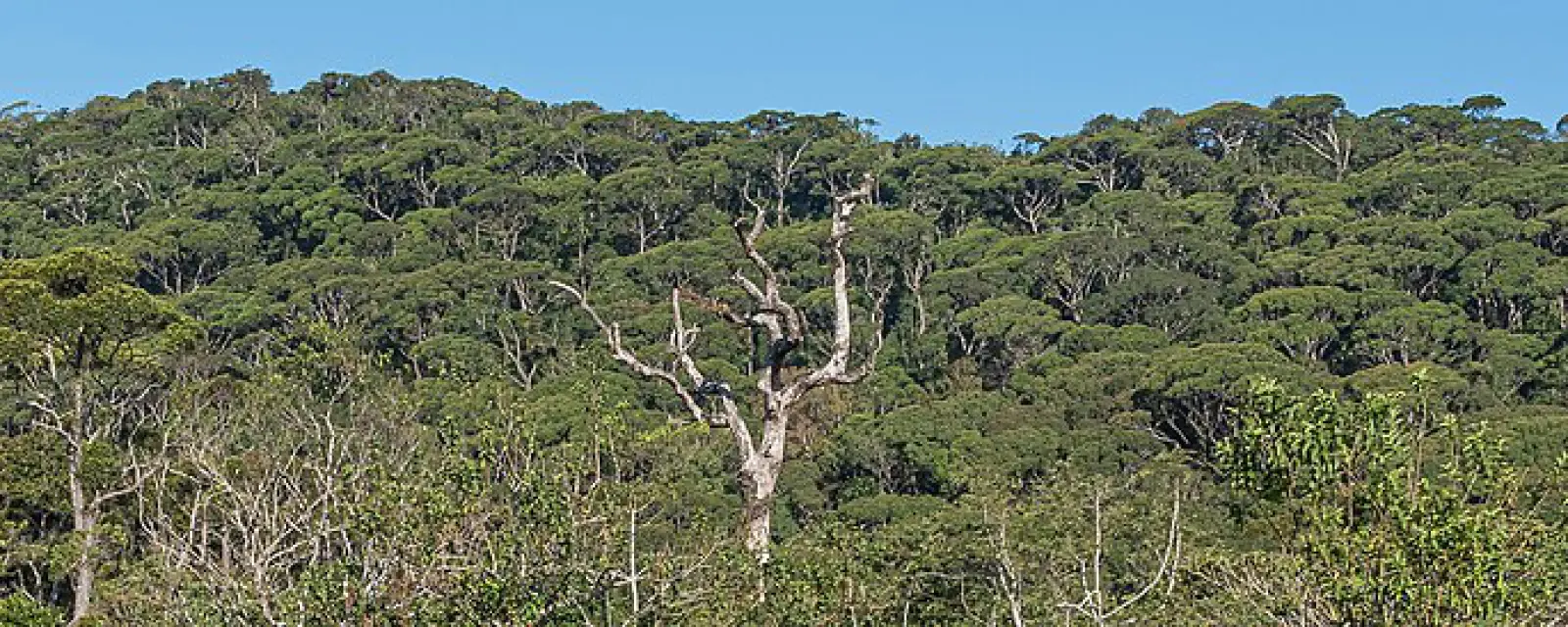
The island features a central highlands region with tea plantations at elevations above 1,000 meters, coastal plains, and an extensive coastline with many beaches.
Tropical climate. Lowland areas are hot and humid year-round, ranging from 26 to 32 degrees Celsius. The highlands, such as Nuwara Eliya, are cooler, with temperatures potentially dropping below 15 degrees Celsius at night.
Two monsoon seasons affect different halves of the island at different times, so there is generally always one half in the dry season — favorable for domestic travel.
History and Culture
A recorded history spanning over two thousand years, with ancient capitals Anuradhapura and Polonnaruwa now UNESCO World Heritage Sites. Theravada Buddhism arrived in the 3rd century BCE and is the religion of the majority population — a cultural connection with Southeast Asia.
The island passed through periods of Portuguese, Dutch, and British rule; independence came in 1948. A civil war lasting from 1983 to 2009 left lasting social and economic consequences.
Sri Lanka is world-famous for Ceylon tea and gemstones, particularly sapphires.
The official languages are Sinhala and Tamil. English is widely used in administration, education, and business — a legacy of British colonial rule, and an advantage for foreigners.
Economy and Taxation
The economy is based on textile exports, tea, tourism, remittances, and information technology services.
Cost of living is low — among the lowest in the region and lower than Vietnam in many categories.
Personal income tax is progressive. The tax system has undergone significant changes during post-crisis reforms, so current regulations should be verified.
Residency Program
Resident Guest Scheme: deposit a sum of foreign currency into a Sri Lankan bank and maintain it throughout your residency period. There are different tiers and conditions depending on the category.
Strengths:
- Very low cost of living
- English is widely spoken — removes the biggest language barrier
- Closer to Vietnam than most other options — flights are typically 8 to 12 hours with connections
- Buddhist culture offers cultural familiarity
- Diverse nature with both beaches and cool highlands
Disadvantages:
Economic risk and risk to your deposits — as discussed above, and this is the largest disadvantage.
Not a path to citizenship. This is a long-term residency program, not a pathway to a passport.
No work authorization under this visa category — specific regulations should be verified.
Limited infrastructure and healthcare compared to developed countries. Private hospitals in Colombo offer reasonable quality, but options are limited elsewhere.
The Sri Lankan passport is not powerful, but this is less relevant since the program does not lead to citizenship.
We have not processed applications through this channel, and for this country we advise particular caution regarding the deposited funds. Conditions may change — verify with the relevant authorities.
Who Should Consider Sri Lanka
May be suitable for those seeking a very low-cost long-term retreat, where English is usable, proximity to Vietnam is valued, and you can accept the risk associated with the deposited funds.
Not suitable for those who view the deposited funds as assets that need liquidity and safety.
Not suitable for those seeking a passport or wanting to work in the country.
Not suitable for those who require high-quality healthcare near their residence.
If what appeals to you is low cost of living combined with English, place Malaysia alongside Sri Lanka for comparison — Malaysia has significantly better infrastructure and also uses English widely.
This information is for reference only and is not legal or investment advice. Sri Lanka's economic situation has changed significantly since 2022 — please read current news and carefully consider the implications of the currency deposit requirement.