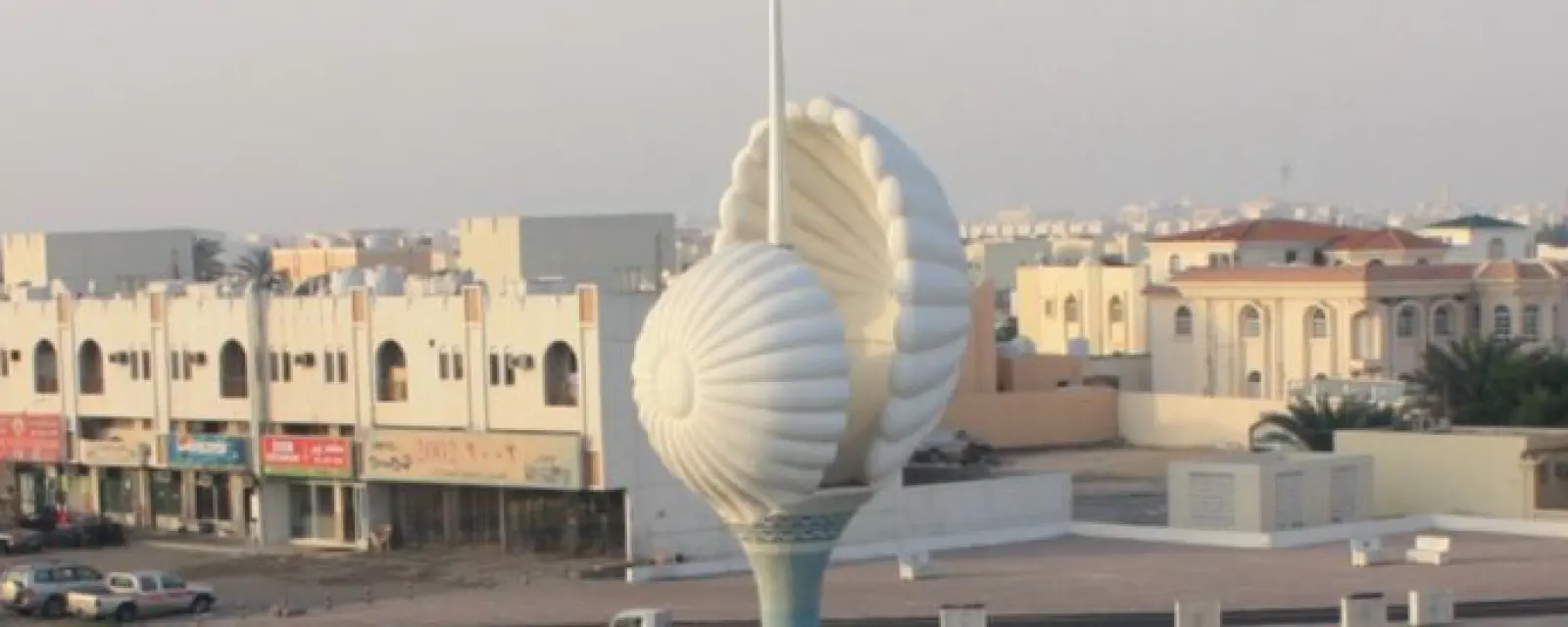
Overview
Qatar is a small peninsula extending into the Persian Gulf, covering approximately 11,500 km² with around 3 million residents. Native Qatari citizens make up roughly one-tenth of the population.
In 2018, Qatar enacted legislation allowing foreigners to apply for permanent residency — the first country in the Gulf Cooperation Council to do so. Previously, residency throughout the bloc was tied to employment and a local sponsor.
Geography and Climate
The terrain is flat desert with virtually no mountains or rivers. Most freshwater comes from desalination.
The climate is harsh desert conditions. Summer, from May to September, typically exceeds 40°C (104°F), sometimes approaching 50°C (122°F), with high humidity along the coast. Winter, from November to March, is very comfortable, ranging from 15 to 25°C (59–77°F) — which is why the 2022 World Cup was held in November and December.
History and Culture
Qatar historically survived on fishing and pearl diving, remaining poor until the discovery of oil and especially natural gas. The North Field, shared with Iran, is one of the world's largest gas reserves, transforming Qatar into one of the highest per-capita income nations.
Doha has undergone complete transformation over three decades. Qatar has also invested heavily in education — Education City hosts branch campuses of numerous American and European universities.
Arabic is the official language; English is widely used due to the high proportion of foreign residents.
Economy and Taxation
No personal income tax. There is corporate tax for businesses with foreign ownership.
The economy is based on liquefied natural gas exports, and Qatar is one of the world's largest exporters. The sovereign wealth fund operates globally.
Cost of living is high, particularly housing in Doha.
Residency Program
Permanent Residency in Qatar under 2018 legislation. Key point to understand: the number of permits issued annually is limited — this is not an open-door program like Bahrain's or the UAE's golden residency.
Notable benefits:
- Public healthcare and education on par with citizens — something very few Gulf countries extend to foreigners
- Property ownership in designated areas
- Employment without a sponsor
- Priority consideration for certain public sector positions
Drawbacks:
Limited quota and selection criteria are not fully transparent. This is the major distinction from typical investment programs — simply having funds does not guarantee approval.
Does not lead to citizenship.
High cost of living, with Doha housing among the region's most expensive.
Four months of summer heat that makes outdoor life nearly impossible.
We have not processed applications for this pathway. Please verify current requirements and available quotas with the competent authorities.
Who Should Consider Qatar
Well-suited for those already employed or doing business in Qatar who wish to transition from employment-sponsored residency to independent permanent residency.
Well-suited for families who prioritize public healthcare and education — these are the program's strongest benefits and are uncommon in the Gulf region.
Not suitable for those viewing this as a money-for-residency program. Quotas are limited and criteria are not fully transparent, making it impossible to plan reliably around this program.
Information provided for reference only, not legal or investment advice.