Overview
Oman is located at the southeastern corner of the Arabian Peninsula, covering approximately 310,000 km² with around 5 million inhabitants.
In 2021, Oman launched an investment-based permanent residency program offering two terms: 5 years and 10 years, depending on investment level.
Geography and Climate
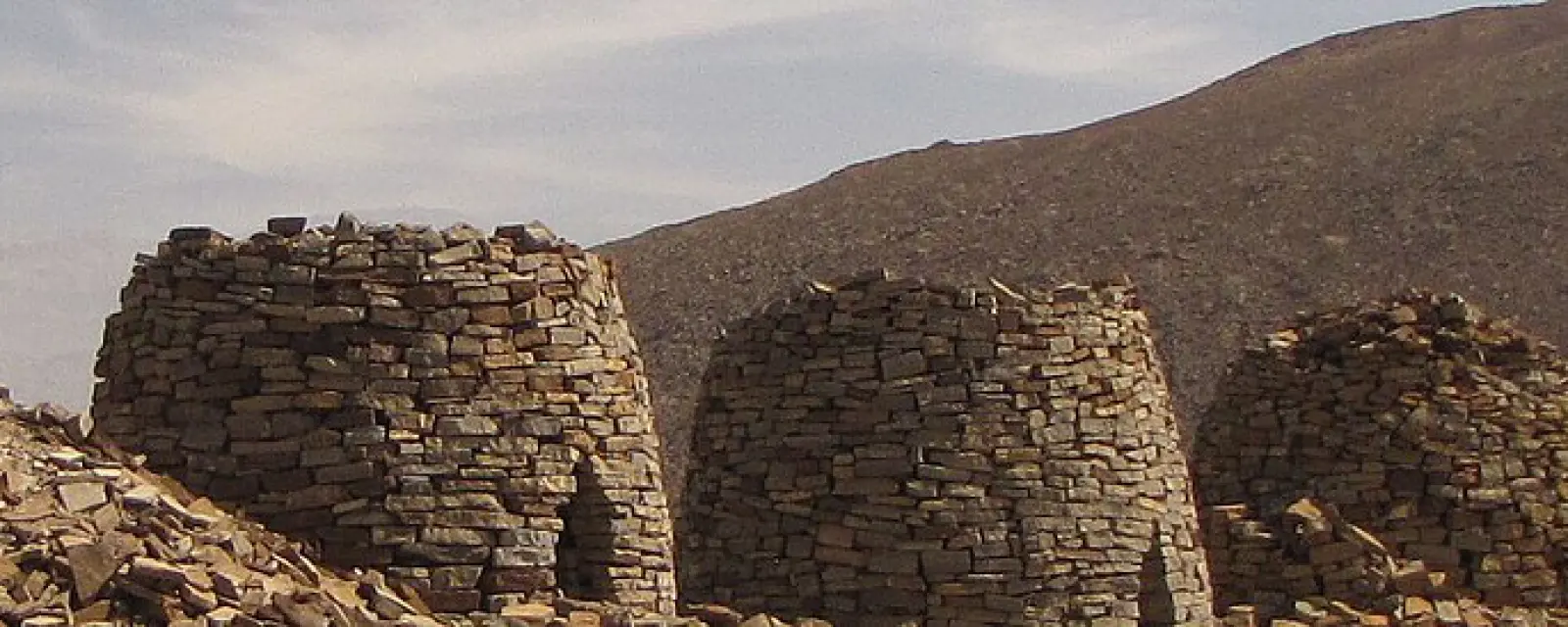
This is where Oman differs significantly from other Gulf countries: extremely diverse terrain. The country features the Hajar mountain range exceeding 3,000 meters in elevation, deep canyons, the Wahiba desert, and over 3,000 kilometers of coastline along both the Gulf of Oman and the Arabian Sea.
The Dhofar region in the south experiences a unique phenomenon in the region: the khareef monsoon season from June to September brings rainfall and transforms the entire region into lush greenery, with temperatures dropping to around 25°C while the rest of the Arabian Peninsula experiences temperatures above 45°C. The city of Salalah has become the summer retreat destination for the entire Gulf region.
Muscat and the northern regions are hot and dry, with summer temperatures exceeding 40°C.
History and Culture
Oman was once a maritime superpower, controlling Zanzibar and portions of the East African coast. Its seafaring and trading traditions predate the oil industry by centuries.
Oman follows the Ibadi school of Islam — distinct from both Sunni and Shia traditions — which is closely connected to the country's most distinctive foreign policy feature: political neutrality. Oman maintains relations with virtually all parties in the region and frequently serves as a mediator. For those seeking residency in the Gulf, this is an important factor to consider.
Omanis are known for their courtesy and discretion. Arabic is the official language, while English is widely used in Muscat and in business.
Economy and Taxation
No personal income tax. There is a low-rate value-added tax and corporate tax.
The economy is based on oil and gas but is diversifying into tourism, logistics, and mining. Duqm Port is a major infrastructure project designed to become a regional transshipment hub.
Cost of living is considerably lower than Dubai and Doha, while Muscat's infrastructure quality is at a high standard.
Residency Program
Oman Investor Permanent Residency, launched in 2021, offers two terms of 5 and 10 years depending on investment level.
Advantages:
- Permits property ownership and business establishment without requiring a local sponsor
- No personal income tax
- Can sponsor family members
- Cost of living significantly lower than Dubai
Disadvantages:
Does not lead to citizenship, consistent with all Gulf states.
Time-limited, requiring renewal — unlike Bahrain, which grants unlimited residency.
Smaller economy and less internationally integrated than the UAE. For those needing an international financial center, Dubai or Bahrain would be more suitable.
Domestic market of 5 million people, with most at middle-income levels.
We have not processed applications under this program. Investment amounts and conditions may change — verify with the relevant authorities.
Who Should Consider Oman
Well-suited for those seeking Gulf residency at lower costs than Dubai, and who value political stability and neutrality.
Well-suited for those interested in owning property in the Gulf without requiring a local sponsor, particularly in Salalah where the climate is pleasant for four summer months.
Not well-suited for those seeking a passport, or requiring a large international financial center.
This information is for reference only and does not constitute legal or investment advice.