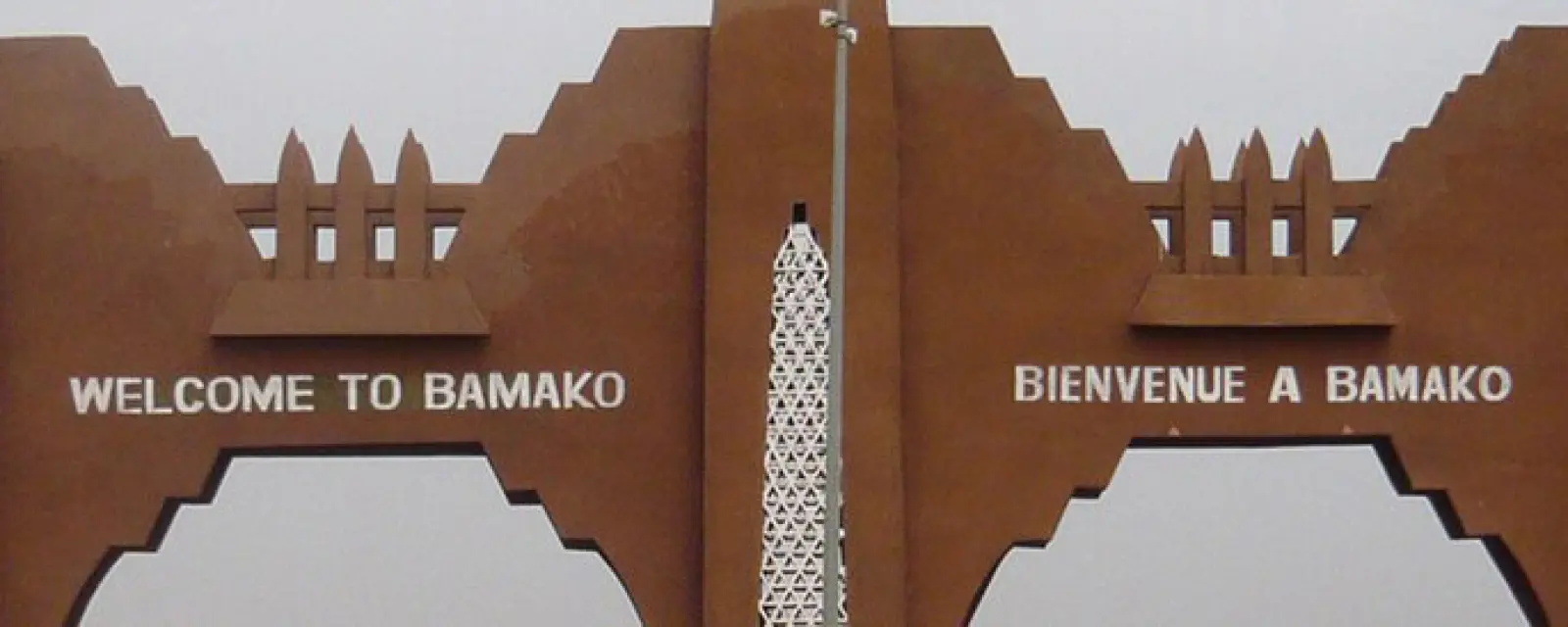
Overview
Mali holds a rank-75 passport reaching 52 destinations without a prior visa. Its population is around 24.5 million, the capital is Bamako, and the currency is the West African CFA franc (XOF).
Mali has no citizenship-by-investment programme.
📌 But Mali offers what I consider one of the most useful facts in this library, because it touches exactly what readers here are buying: the right to move.
🔴 Leaving a free-movement bloc — what happens to the passport
The events, stated as facts:
- 📌 ECOWAS — the fifteen-country West African bloc — operates one of the widest free-movement regimes outside Europe. ✅ Member state citizens may enter without a visa, reside and work throughout the bloc.
- 🔴 Mali, Burkina Faso and Niger have given notice of withdrawal from ECOWAS and formed their own alliance of the three. 📌 The withdrawal followed published timelines, with transitional arrangements.
- 📌 The three states have said they will continue visa-free travel for ECOWAS citizens, and 📌 ECOWAS has made corresponding statements — 🔴 but these are political arrangements, no longer treaty rights.
🔴 And that is the point I want readers to hold.
📌 Before withdrawal, a Malian's movement rights across the other fourteen countries were a TREATY RIGHT: written down, with mechanisms, with somewhere to complain. 🔴 After withdrawal, the same person, the same passport, the same border — but what lets him through is a political statement, withdrawable at any time without breaching anything.
✅ The passport booklet did not change a word. What changed is what stands behind it.
✅ And here is what that says about every programme on this site
📌 When someone says "this passport is visa-free to 140 countries", that number is NOT a property of the passport. ✅ It is the sum of a pile of treaties, bilateral agreements and unilateral decisions by 140 other countries — each written by a different government, and each changeable.
🔴 Mali shows the number can fall, and fall not because the country did anything wrong toward those 140, but because of a domestic political decision.
📌 For anyone comparing two citizenship programmes, three further questions matter more than the visa-free count:
- ✅ Does this passport's mobility come mainly from TREATIES or from unilateral decisions by the other country? 🔴 Unilateral visa waivers are removed by press release; treaties require procedure.
- ✅ Is this country in a regional bloc, and is that membership stable? 📌 Grenada and the Caribbean states sit within CARICOM; the Central American states have their own arrangements.
- ✅ If relations with a major bloc deteriorate, which part of the mobility goes first? 🔴 Usually the most valuable part.
📌 This is not theoretical: ✅ this library has recorded Schengen visa waivers being suspended or tightened for some countries operating investment citizenship programmes. 🔴 The mechanism is identical to Mali–ECOWAS, only the scale differs.
📌 Timbuktu, gold, and a written civilisation
📌 Timbuktu was a centre of scholarship and trans-Saharan trade for centuries, and 📌 the Timbuktu manuscripts — hundreds of thousands of handwritten texts on astronomy, law, mathematics and medicine — are physical evidence refuting the notion that this region lacked a written tradition.
🔴 During the conflict of the 2010s part of this heritage was damaged, and a rescue campaign moved very many manuscripts out of danger. 📌 Timbuktu and Djenné are both UNESCO sites.
Economy: 📌 gold is the largest export — Mali is among Africa's leading gold producers — alongside cotton, livestock and agriculture. 📌 Lithium deposits are also under development.
🔴 Disadvantages, stated fully: 🔴 prolonged armed conflict in the north and centre, with major humanitarian impact; 🔴 landlocked and dependent on neighbours' ports — the ECOWAS withdrawal complicates this further; 🔴 drought and desertification threaten agriculture; 🔴 institutional and foreign policy changes in recent years have affected aid and investment flows. 📌 This site states this at the level of facts.
As always: tax obligations here do not replace those in your country of residence.
Immigration routes & citizenship
Categories existing in law include contract-linked work permits, residence tied to business activity, and residence through marriage. 🔴 The security situation makes this no place to plan a personal relocation at present.
📌 On dual citizenship: check the current statute.
🔴 If anyone offers you "Malian citizenship by investment", stop. No such programme exists.
Who should consider Mali
It may fit if: you work in gold or lithium mining, or in humanitarian work — 🔴 and have a professional security assessment. 🔴 French is needed.
Not a fit if: 🔴 you are looking for a family relocation destination; 🔴 you are offered "Malian citizenship by investment"; or you need stable logistics chains.
The point to carry away: ✅ Mali teaches something this industry rarely says: passport strength is not inside the passport.
📌 The figure "visa-free to N countries" is the sum of N decisions written by N other governments. 🔴 One domestic political decision can strike fourteen countries off that list with a single announcement — while the booklet does not change a word.
✅ So when comparing two programmes, don't only compare the number. Ask whether that number rests on TREATIES or on goodwill — because goodwill can be withdrawn without anyone breaching anything.