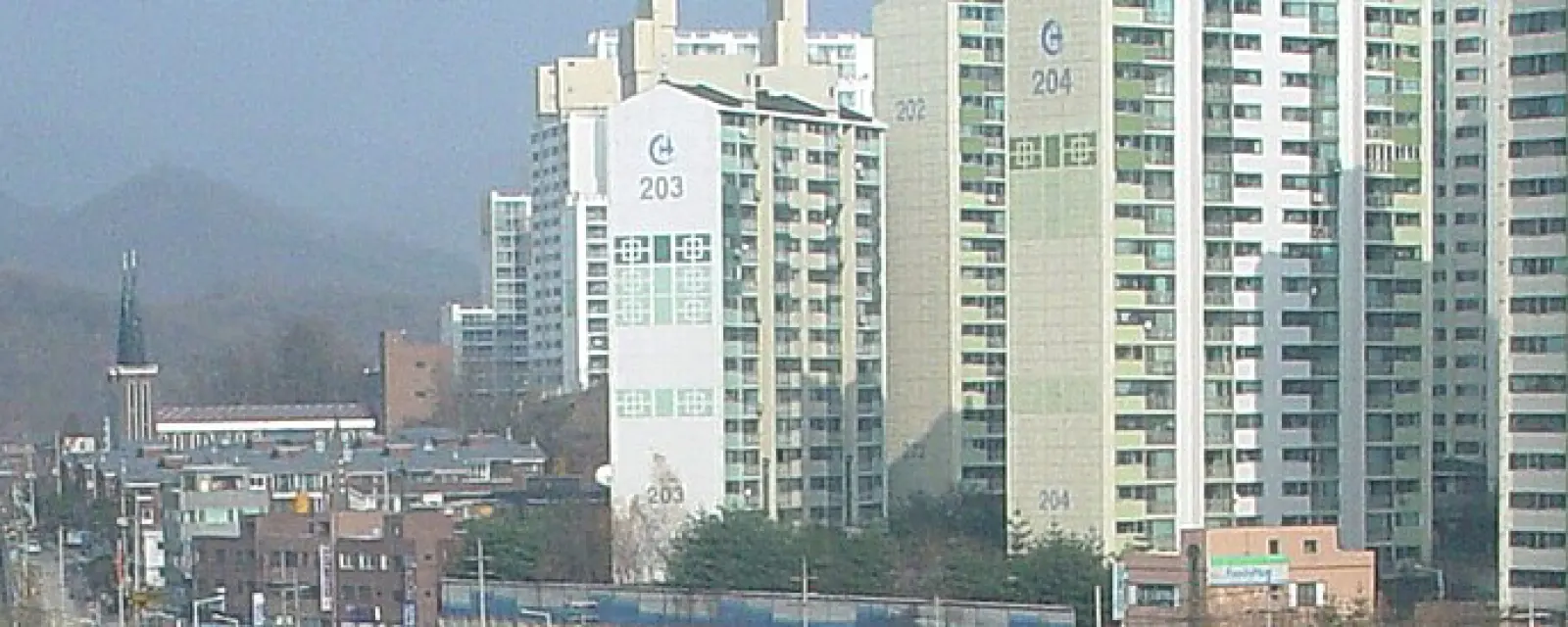
Overview
The Republic of Korea occupies the southern half of the Korean Peninsula. With an area of 100,400 km² and a population of approximately 51 million, it is Asia's fourth-largest economy.
South Korea offers a genuine investment-to-residency program — unlike Japan. Two main pathways: real estate investment in designated zones and investment in government-managed development funds.
South Korea's model strength: issue of F-2 residence visa, and after 5 years of maintaining the investment, eligibility for F-5 permanent residency — a clear and predictable pathway.
On citizenship, it must be stated clearly: South Korea does not permit dual citizenship for most naturalization applicants — you must commit to not exercising your original citizenship within South Korea, or renounce it. There are narrow exceptions for certain groups, including exceptional talent and those in marriage to South Korean citizens. Consult a lawyer to clarify this point before setting citizenship as a goal.
For investors, South Korea holds special significance: the Vietnamese community in South Korea numbers approximately 250,000–300,000, and Vietnam is one of the largest sources of migrant workers, intermarried spouses, and students in the country.
Geography & Climate
Terrain is predominantly hilly and mountainous, with plains concentrated in the west and south.
- Seoul — the capital and nerve center of the nation; nearly half the country's population lives in the Seoul metropolitan area
- Busan — the largest seaport; more temperate climate; has designated investment zones
- Incheon — the main international airport; Songdo Free Economic Zone
- Jeju — a resort island in the south; warmest climate; separate real estate investment program
Clear four-season climate: summers 24–33°C, humid with rainy season; winters are cold and dry, with Seoul typically -5 to -10°C and snowfall common. Spring cherry blossoms and autumn foliage are spectacular.
Vietnamese investors should prepare for cold, dry winters — quite different from the humidity familiar in Vietnam.
Environmental concern: fine dust in spring is a genuine health issue in Seoul and surrounding areas, especially for young children and those with respiratory illness.
Historical Background
The Korean Peninsula has a long history of unified kingdoms through the Goryeo and Joseon dynasties. Colonized by Japan from 1910–1945. Divided after World War II and the Korean War of 1950–1953, resulting in two separate states; technically, the armistice remains in effect rather than a peace treaty.
South Korea transformed from one of the world's poorest nations in the 1950s into a developed economy in just decades — a phenomenon commonly called the "Miracle on the Han River." Democratization was completed by the late 1980s.
With Vietnam, economic relations run deep: South Korea is among Vietnam's largest foreign direct investors, with Samsung, LG, and Hyundai operating major manufacturing facilities. The flow is bidirectional: hundreds of thousands of Vietnamese work, study, and marry in South Korea.
Culture & People
The Korean language is the primary language. Hangul, the Korean alphabet, is far easier to learn than Chinese or Japanese characters — many foreigners can read it after a few weeks. However, grammar and the honorific system are complex and require time to use fluently.
English is insufficient outside international business environments.
South Korean society values hierarchy, effort, and dignity. Work culture is intense, though regulations limiting working hours are gradually improving.
The Korean Wave — music, film, cosmetics, cuisine — is familiar to Vietnamese audiences, making cultural adaptation easier than in many other countries.
Important reality check: academic and competitive pressure in South Korea ranks among the world's highest. Students study from early morning through late evening; attendance at hagwons (private cram schools) is standard. South Korea has the world's lowest birth rate, partly due to this pressure. Families with young children should weigh this carefully.
Economy & Opportunities
Technology and manufacturing — semiconductors (Samsung, SK Hynix), electronics, automobiles, shipbuilding, chemicals. South Korea leads globally in semiconductor memory.
Culture and entertainment — K-pop, film, cosmetics represent genuine export industries with major scale.
Healthcare and aesthetics — medical tourism is a robust sector attracting international patients, including many from Vietnam.
Opportunities for Vietnamese entrepreneurs: Vietnam–South Korea trade has a very strong foundation; additionally, services serving the Vietnamese community in South Korea and support for Vietnamese international students.
South Korea taxes global income of tax residents on a progressive rate schedule. Estate taxes are high.
Residency Programs
Real Estate Investment in Designated Zones
The government designates certain zones — including Jeju, Incheon, Busan, and select resort areas — where foreign nationals investing in real estate above specified thresholds can obtain a residence visa.
Mechanism: you receive an F-2 (residence) visa, maintain the investment for 5 years, then become eligible to apply for F-5 (permanent residency).
Key consideration: real estate within the program is typically resort apartments within government-approved projects, not freely tradable residential property on the open market. Resale liquidity may be limited. You should conduct thorough due diligence on the project as a genuine investment, not merely as a means to obtain a visa.
Investment in Government Development Funds
Investment in government-managed funds supporting development projects. Mechanism is similar: F-2, then after 5 years of maintaining the investment, eligibility for F-5.
This approach carries less market risk than real estate but typically does not generate returns.
D-8 Business Visa
For those establishing and managing a foreign-invested business in South Korea, requiring investment capital above a threshold and genuine business operations.
Permanent Residency and Citizenship
F-5 permanent residency grants rights to live and work with minimal restrictions and does not require renouncing your original citizenship.
South Korean citizenship: typically requires 5 years of residency plus passing language and civics tests. In principle, you must commit to not exercising your original citizenship within South Korea, or renounce it. There are narrow exceptions for exceptional talent.
Recommendation: similar to Japan, for most families F-5 permanent residency is a more practical goal than citizenship.
On specific figures: investment thresholds for real estate, fund contribution amounts, and D-8 capital requirements vary by zone and change over time. See the figures table on this page or consult a specialist.
Living Reality
Cost of living: Seoul is expensive for housing — the unique jeonse system of large deposit leases instead of monthly rent is a system you must understand thoroughly. Food, public transport, and services are reasonably priced. Outside Seoul is considerably cheaper.
Healthcare — a major strength: mandatory national health insurance, reasonable costs, high quality, and exceptionally fast access — specialist appointments usually same-day. South Korea ranks among the world's most efficient healthcare systems. This is a powerful argument for families with elderly members.
Education: public schools teach in Korean with high quality but intense pressure. International schools operate in Seoul, Incheon, and Jeju. South Korean universities are good, with tuition lower than in English-speaking countries, and increasingly offer programs taught in English.
Travel: direct flights from Vietnam — Hanoi, Ho Chi Minh City, Da Nang, and Nha Trang to Seoul (Incheon) and Busan. Approximately 4.5–5 hours, among the region's busiest routes.
Time difference with Vietnam is only 2 hours.
Who Should Consider South Korea
Well-suited if you:
- Want a clear pathway to permanent residency — F-2 then F-5 after 5 years of maintaining investment
- Do business with the South Korean market or Korean supply chains in Vietnam
- Prioritize high-quality healthcare with exceptionally fast access — specialist appointments same-day
- Need frequent travel to Vietnam — 4.5–5 hour direct flights, 2-hour time difference only
- Are comfortable with Korean culture and find it easy to adapt
- Are willing to learn Korean — Hangul is far easier than Japanese characters
Not well-suited if you:
- Want to retain your original citizenship after naturalizing — South Korea in principle does not permit this; target F-5 permanent residency instead
- Have young children and are concerned about world-class competitive academic pressure
- Are sensitive to fine dust — a genuine health issue in Seoul in spring
- Cannot tolerate cold, dry winters at -10°C
- Are considering program real estate without conducting it as a genuine investment — resale liquidity may be limited
- Are unwilling to learn Korean — English is insufficient outside international business environments
This article provides foundational information for reference purposes. South Korea's investment program terms and citizenship regulations change over time. Please consult with a specialist from Viking Global Group before making a decision.