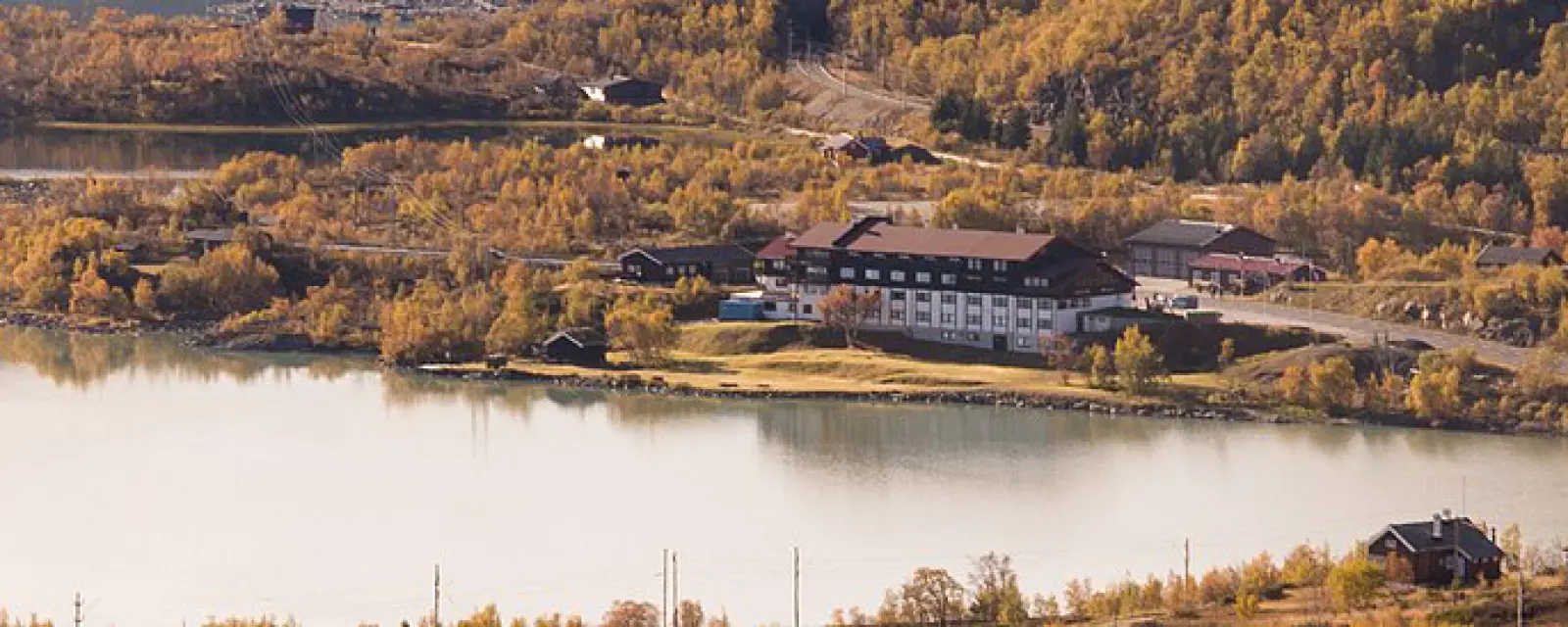
Overview
Norway holds a rank-3 passport with 165 destinations reachable without a prior visa, income per head among the highest on earth, and the world's largest sovereign wealth fund by assets.
Norway also does not sell entry. No golden visa, no citizenship by investment, no capital threshold that converts into a residence permit.
One point is misunderstood constantly and deserves to be stated plainly: Norway is in the Schengen area but NOT in the European Union. A Norwegian residence permit allows travel within Schengen, but it does not confer the right to live and work across EU member states the way an EU country's permit does. Anyone choosing Norway believing it is a "back door into the EU" has misunderstood what they are buying.
Geography & climate
Norway runs along the western edge of Scandinavia, stretching more than 1,700 km north to south while narrowing to a few dozen kilometres in places. Its coastline of thousands of fjords is Europe's longest once islands are counted.
Climate splits sharply by latitude. Along the southern coast, the North Atlantic current keeps winters surprisingly mild for the latitude. Inland and further north, cold is deep and long. Territory above the Arctic Circle experiences polar night — weeks when the sun does not rise — and, in summer, the reverse.
The capital, Oslo, sits at the head of a south-eastern fjord, where most of the population and employment concentrate.
One curiosity: the Svalbard archipelago in the Arctic is under Norwegian sovereignty but, under a separate treaty, citizens of many countries may live and work there without a visa. It sounds attractive, but be clear: time spent on Svalbard does not count toward the residence requirement for Norwegian permanent residence or citizenship, and conditions there are harsh. It is not a shortcut.
History
In the Viking era, Norwegian chieftains reached Iceland, Greenland and the eastern seaboard of North America. Norway then spent centuries in union with Denmark, later with Sweden, and gained full independence only in 1905.
The turning point for its modern fortunes was the discovery of North Sea oil and gas in the late 1960s. What matters is not that oil was found but how it was handled: Norway routed most of the revenue into a sovereign wealth fund rather than spending it, and capped annual withdrawals at a small share. That is why the country avoided the trap that caught many other resource-rich states.
Norway has twice put EU membership to a referendum — in 1972 and 1994 — and rejected it both times. Instead it joined the European Economic Area, adopting most single-market rules without a vote on them.
Culture & people
Around 5.5 million people. Society prizes equality to the point of having a word for it: janteloven, the unwritten rule that no one should consider themselves above others. For newcomers this shows up as a society with little display of wealth, and a certain reserve.
Attachment to the outdoors runs deeper than visitors expect: hiking, skiing and weekend cabins are ordinary life, not an affluent hobby. The right of allemannsretten lets anyone roam and camp on uncultivated land, including private land.
English is widespread and spoken well. But Norwegian is required for naturalisation, and in practice for workplace integration outside international sectors.
Economy & opportunity
The traditional pillar is oil and gas, but the economy is broader: seafood (Norway is a leading salmon exporter), shipping, hydropower — which supplies almost all domestic electricity — plus marine and offshore engineering.
For skilled foreigners, demand concentrates in petroleum and marine engineering, IT, healthcare and nursing. Wages are high and the spread between occupations is narrower than in most countries: skilled trades are paid well, while senior management is not as far ahead.
Income tax is high, alongside 25% VAT and a net wealth tax — a levy many countries do not have, and one that anyone with substantial assets should model before shifting tax residence.
As always: tax obligations in Norway do not cancel obligations in your home country. The two residencies are determined separately.
Immigration routes
Norway has no residence or citizenship by investment. The genuine routes:
- Skilled worker permit — requires recognised qualifications or experience plus a concrete job offer at industry-standard pay. This is the main door.
- Self-employment — for those creating their own work. The authority assesses whether the activity is sustainable and can support you, not how much capital you bring.
- Study — with a post-graduation period to find work. Public university tuition was traditionally minimal, but rules for non-EU/EEA students have changed in recent years; verify at the time you apply.
- Family reunification — with income requirements on the sponsor.
On permanent residence: typically several years of continuous lawful residence, plus Norwegian language and social studies certification.
On citizenship: a longer residence requirement, a Norwegian language exam and a social studies test, plus income and criminal-record conditions. The exact number of years varies by permit category and marital status, and has been revised repeatedly — check the Norwegian immigration authority's current publication.
One major change worth knowing: since 1 January 2020, Norway permits dual citizenship. Before that date, naturalising in Norway generally required renouncing your former nationality. Many articles online still repeat the old rule — that information is out of date.
Everyday life
Costs are very high, among the world's steepest. Eating out, alcohol and services are noticeably dearer than in the rest of Europe. Incomes and public services offset this.
Healthcare is universal with co-payments up to an annual ceiling. Schooling is free and consistent in quality.
Housing: home ownership is common; Oslo's rental market is tight and expensive. Newcomers routinely spend longer than expected on this step.
Light and winter are a real test. Oslo gets around six hours of daylight in December; further north, the sun disappears entirely for a period. In summer, the reverse — light almost around the clock.
Social integration takes patience. Norwegians are courteous but keep distance; close ties usually form through shared activity — sports clubs, parent groups, hiking parties — rather than casual sociability.
Who should consider Norway
A good fit if:
- You work in petroleum, maritime, energy, technology or healthcare and can secure a real employer.
- Your priority is high income alongside social safety and nature on your doorstep.
- You are aiming at a long-term home for your family, not at documents quickly.
- You understand and accept that this is not a route into the European Union.
Not a fit if:
- You want to convert capital into a permit — Norway has no such path.
- You need the right to live and work across the EU. For that you must target an actual EU member state.
- You are looking to lower your tax burden: Norway adds a net wealth tax on top.
- Your family would struggle with long, dark winters.
Norway is the clearest illustration of something worth remembering in this field: a wealthy country is not the same as a country that sells residency. The richer and steadier it is, the fewer reasons it has to sell.